Brain Death, Cardiac Death, and Organ Donation and Procurement
Biblical Basis
Technical & Medical Basis
Pastoral Application
Rescue those being led away to death;
hold back those staggering toward slaughter.
If you say, “But we knew nothing about this,”
does not he who weighs the heart perceive it?
Does not he who guards your life know it?
Will he not repay everyone according to what they have done?
—Proverbs 24:11-12 NIV
Understanding Organ Donation Through Scripture
Biblical Basis
God is the sole author and giver of life.
“He himself gives everyone life and breath and everything else” (Acts 17:25b NIV). “For in him we live and move and have our being” (Acts 17:28 NIV).
We are created by Him as a tight union of material flesh and immaterial spirit, a body-spirit unity. The Bible contradicts the materialist view that we are just our brains. “Then the Lord God formed a man from the dust of the ground and breathed into his nostrils the breath of life, and the man became a living being” (Genesis 2:7 NIV). The New Testament recognizes this as well: “Now may the God of peace himself sanctify you completely, and may your whole spirit and soul and body be kept blameless at the coming of our Lord Jesus Christ” (1 Thessalonians 5:23 ESV).
In 1312, the Council of Vienne recognized this biblical teaching and defined the soul as the form—the immediate principle of life and being—of the human body.
Lawyer and theologian Michael Vacca puts it this way:
If we accept the Church’s position that the soul is the substantial form of the body, then the soul is the only aspect of the person that has ontological significance. By imbuing a physical organ with ontological significance, the dogma of brain death shows itself to be an essentially materialist philosophy because it regards a physical organ as the center of the human person, rather than the spiritual reality of the soul. This effectively transitions the human person from the dominion of God, for only God can control the human soul, to the dominion of man, for men can and do manipulate and control physical organs such as the brain. In other words, by displacing the center of the human person from a spiritual reality to a physical organ, the dogma of “brain death” allows for the manipulation and control of the human person.
Death is the separation of the God-given spirit from the body. “And when Jesus had cried out again in a loud voice, he gave up his spirit” (Matthew 27:50 NIV). “As the body without the spirit is dead, so faith without deeds is dead” (James 2:26). We are kept from death only by the will and sustaining power of God (Psalm 66:9). Modern medicine ignores the role of the spirit in maintaining life and incorrectly associates loss of brain function with death.
In Scripture, the presence of life is made manifest by the ongoing motion of the blood, not by the function of the brain. Leviticus 17:14 says, “The life of every creature is its blood.”
Death is characterized by decay and destruction. “If it were his intention and he withdrew his spirit and breath, all humanity would perish together and mankind would return to the dust” (Job 34:14-15 NIV). “When you hide your face, they are terrified; when you take away their breath, they die and return to the dust” (Psalm 104:29 NIV).
Recognizing that in Genesis 2:7, the presence of life is God breathing into the nostrils of Adam, and similarly in Job 34:14-15, all of humanity would perish if God withdrew his Spirit and breath, it seems there is evidence in scripture of the presence of life coming not only through the motion of blood but also through the Spirit and breath of God.
Is it a miracle, a resurrection or resuscitation?
Scripture acknowledges the reality of Christ’s resurrected body in multiple passages including, “Praise be to the God and Father of our Lord Jesus Christ! In his great mercy he has given us new birth into a living hope through the resurrection of Jesus Christ from the dead” (1 Peter 1:3). As well, examples exist in both the Old and New Testament of people being resurrected from the dead. Furthermore, we believe that God can choose to resurrect via resuscitation, but it is also medically true to recognize that when someone diagnosed as brain dead recovers, (before organs are removed) and people say, “It’s a miracle!” It is actually a point of fact to acknowledge brain death is not death to begin with…they were never dead.
Some people say that if their case is hopeless, they wouldn’t mind being killed via organ donation so that others could benefit from their death. But God has not left us this option. No one has the right to take innocent life via murder or self-murder. “You shall not murder” (Exodus 20:13).
Technical & Medical Basis
Organ Donation from a medical and technical perspective
The Basics
Death occurs when the immaterial spirit separates from the material body. Death is an event and not a process. But because we don’t have any instrument to detect the exact moment of the departure of the immaterial spirit, we recognize biological death by the complete cessation of all vital functions beyond all possibility of resuscitation. Historically, people have used the loss of heartbeat, breathing, and the passage of time to be certain that death has occurred.
Unfortunately, the desire for more viable transplantable organs has led to ever-expanding redefinitions of death that do not comply with a biblical definition. The following is a review of the various types of organ donation and whether they can be considered ethical from a Christian standpoint.
Living Donation
Organs (kidneys, livers, hearts, lungs) can only come from a biologically living donor. The reason for this is because organs very quickly begin to break down in the absence of circulation and become unsuitable for transplantation. Living donation, in which both the donor and recipient remain alive after the procedure, is a wonderful way to help someone in need. Living donation is possible for paired organs, such as the kidneys and lobed organs such as the liver. Most people think of living donation as something that takes place between family members, but unrelated people can donate an organ in this way as well. These are some of the most successful transplants because the organ is often able to be removed from the donor in one operating room and very quickly delivered to a waiting recipient in an adjoining operating room. This quick delivery avoids stressing the organ with artificial solutions and cold storage for transportation across the country.
Because of the risk of coercion to become a living donor, organ procurement organizations screen potential living donors for the possibility that they are being pressured into making what should be a selfless gift. If coercion is taking place, the organ recipient is told that this potential donor was simply found to be unsuitable.
Living donation is a wonderful way to help a person with organ failure as long as no one is coerced.
“I have chosen to give priority to the welfare of the patient before he or she becomes a donor on grounds that harm must not be done even if good comes from it. No person should be sacrificed as a means for the good of another. This is a moral precept that recognizes the intrinsic worth of every human being.”
-Dr. Edmund D. Pellegrino, Founder, Pellegrino Center for Bioethics at Georgetown University.
Brain Death and Organ Donation
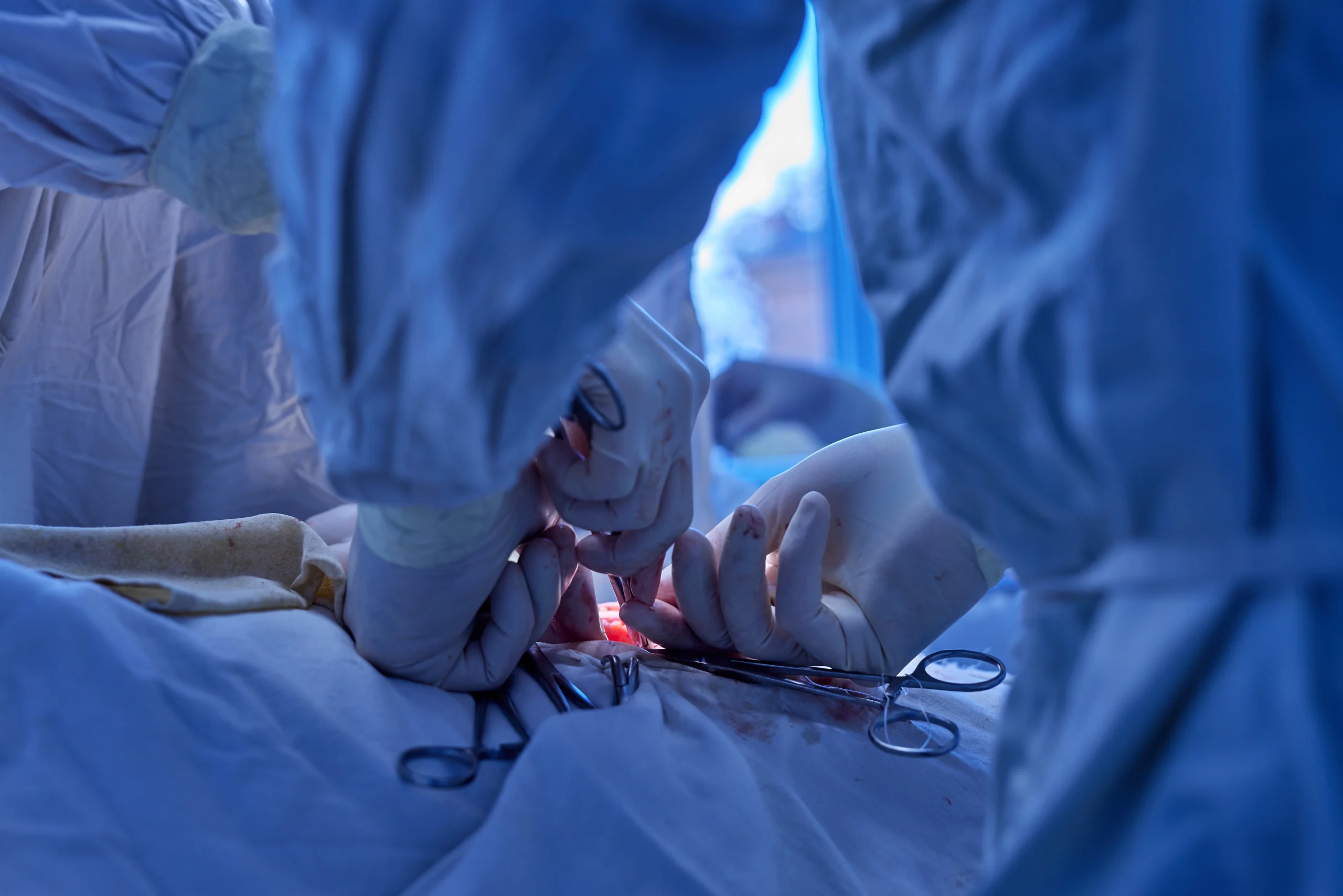
The idea of brain death was proposed in 1968, and the concept has remained controversial ever since.
In the twentieth century, the development of the modern intensive care unit (ICU), the ventilator, and the desire for transplantable organs combined to generate a new definition of death. In 1968, a committee of thirteen men at Harvard Medical School wrote a landmark paper in the Journal of the American Medical Association, “A Definition of Irreversible Coma.” Without any tests, studies, or evidence, these men decided that certain people in a coma could be redefined as being dead. The only rationale given by the committee for why the irreversible cessation of all brain functions should be equated with death was utility. They said these people’s lives were a burden to themselves and others, and that redefining them as being dead already would free up beds in intensive care units and remove the controversy over harvesting their organs.
This new definition certainly was of great utility for transplantation medicine because it allowed doctors to skirt the dead-donor rule. The dead-donor rule is a worldwide ethical maxim that states people must neither be alive when organs are removed nor killed by the processes of organ removal. By simply redefining people with severe brain injury to be dead already, the letter of the dead-donor rule is met by sleight of hand. But changing a definition does not change reality. People with a brain death diagnosis are neurologically injured, and their prognosis may be death, but they are not dead already—their spirits have not departed.
In 2008, Dr. Edmund D. Pellegrino, founder of the Pellegrino Center for Bioethics at Georgetown University, argued against brain death this way: “The only indisputable signs of death are those we have known since antiquity, i.e., loss of sentience, heartbeat, and breathing; mottling and coldness of skin; muscular rigidity; and eventual putrefaction as the result of generalized autolysis [breakdown] of body cells.”
Brain Death and Medical Education
Unfortunately, the concept of brain death has been grandfathered into medical education, and most doctors believe what they have been taught about it, though many are beginning to question the diagnosis. Brain death is at its core a materialistic philosophy that reduces the person to the physical brain, effectively transferring the person from the realm of the spirit (the dominion of God) to the realm of material organs, over which man has control.
Dr. Eelco F. Wijdicks, an author of the 1995, 2010, and 2023 American Academy of Neurology (AAN) brain death guidelines, recognized that the brain death diagnosis was driven by the pursuit of viable organs for transplantation when he said in 2006:
“The diagnosis of brain death is driven by whether there is a transplantation programme or whether there are transplantation surgeons. I do not think brain death examination now, in practice, would have much if any meaning if it were not for the sake of transplantation.” (This quote is found on p. 50 of the cited link.)
Scientific research has proven that people with a clinical diagnosis of brain death still have certain brain functions: 20% (of those tested) have EEG activity, and greater than 50% still have a functioning hypothalamus, which is a part of the brain. Also the well-known abilities of “brain dead” people, such as wound healing, fighting off infections, and the stress response to the incision to remove organs, all show that they are still alive.
Brain Death Guidelines and Law
The latest (2023) American Academy of Neurology brain death guideline admits that there is no good scientific evidence for brain death in its methods section. “Because of a lack of high-quality evidence on the subject,” they say, the new AAN guideline was determined by three rounds of anonymous voting. It is troubling that after nearly 60 years of declaring people to be brain dead, there is still no high-quality evidence for this diagnosis.
Moreover, the way that doctors currently diagnose brain death using the AAN guideline does not comply with the law under the Uniform Determination of Death Act (UDDA). The law requires the irreversible cessation of all functions of the entire brain, including the brain stem. But the AAN brain death guideline only checks for coma, the loss of a handful of brain stem reflexes, and the lack of spontaneous breathing. And the AAN guideline explicitly states that brain death may be declared in the presence of ongoing function of the hypothalamus. As such, the AAN guideline does not follow the law under the UDDA which requires that all functions of the brain must have ceased.
Brain death is not death because the brain death concept does not reflect the reality of the phenomenon of death. Therefore, any guideline for its diagnosis will have no basis in scientific facts. People declared brain dead are neurologically disabled, and their prognosis may be death, but they are still alive. So-called brain-dead organ procurement is a concealed form of murder.
Donation after Circulatory Death (DCD) and Normothermic Regional Perfusion (NRP)
Brain death is not the only problematic organ procurement practice.
Donation after Circulatory Death
DCD is a thinly veiled physician-assisted death for the sake of organ retrieval. These people are not brain dead but are either not expected to survive or have decided that their quality of life is unacceptable. Their death is a planned event, coordinated to occur at a specific place and time so as to allow organ procurement. The patient is made do not resuscitate (DNR) because even though DCD donors could still be resuscitated, a decision has been made not to do so. Treatment switches from patient-focused care to organ-focused care. DCD donors generally undergo placement of large-bore intravenous lines and infusions of drugs prior to their death for the benefit of the organs, even though these interventions may adversely affect the patient’s own condition.
Finally, these people are taken to the operating room and removed from all life-sustaining care. Once they become pulseless, doctors observe a two-to-five minute no touch period to observe for any spontaneous return of circulation. Organ removal begins as quickly as possible thereafter, since warm organs very quickly become unsuitable for transplantation in the absence of circulation.
But are these people actually dead following just two-to-five minutes of pulselessness? It is well documented that people are routinely resuscitated within this timeframe, but in the case of DCD donors, a decision has been made not to resuscitate them. A review in the medical literature shows that people have spontaneously recovered a heartbeat after as many as ten minutes of cardiac arrest, with some of such people making a full recovery. Because DCD donors cannot with certainty be said to be dead at the time their organs are removed, organ procurement is the cause of their death.
Sociologist Renee C. Fox sharply criticized the DCD protocol, calling it, “An ignoble form of medically rationalized cannibalism” that “borders on ghoulishness.” She deplored dying a death away from family in an operating room, a “desolate, profanely ‘high tech’ death that the patient dies, beneath operating room lights, amid masked, gowned, and gloved strangers.” Worldwide, many countries agree: the practice of DCD is banned in Finland, Germany, Bosnia-Herzegovina, Hungary, Lithuania, and Turkey.
There have been multiple reports of DCD donors being alive during the removal of their organs. In 2021, this case report appeared describing an Illinois DCD organ donor who self-resuscitated on the operating room table while doctors were removing her kidneys. In essence, her heart started beating again, and she started gasping for breath while doctors were removing her organs. Her manner of death was determined to be a homicide.
Normothermic Regional Perfusion
There are variants of DCD that are even more problematic. NRP organ retrieval begins by allowing the patient’s heart to stop and declaring death according to the UDDA’s circulatory-respiratory standard: the irreversible cessation of circulatory and respiratory functions. But because surgeons plan to restart the heart, surgery begins by clamping off the circulation to the brain. This makes the patient brain dead on purpose, so that now their death is defined by the UDDA’s neurologic standard. Then a full resuscitation of the remaining organs takes place such that the heart starts beating again in the patient’s own chest.
Of course, this shows that the legal definition of death under the circulatory-respiratory standard (which requires the irreversible cessation of circulatory function) was never met, since the patient’s heart is beating once again. But now doctors are “covered” by the UDDA’s neurologic clause because they have made the patient brain dead. This technique plays fast and loose with the legal definitions of death under the UDDA as well as with the dead-donor rule. The American College of Physicians (ACP), the world’s largest specialty medical organization, called for a pause in the practice of NRP in 2021, as “the burden of proof regarding the ethical and legal propriety of this practice has not been met.” This call for a pause has been ignored.
Because donation after circulatory death (DCD) and normothermic regional perfusion (NRP) donation take place during a period when resuscitation is still possible and because the patient has not met a biblical definition of death, these techniques must be considered a covert form of intentional death and as such violate the sixth commandment, “You shall not murder” (Exodus 20:13).
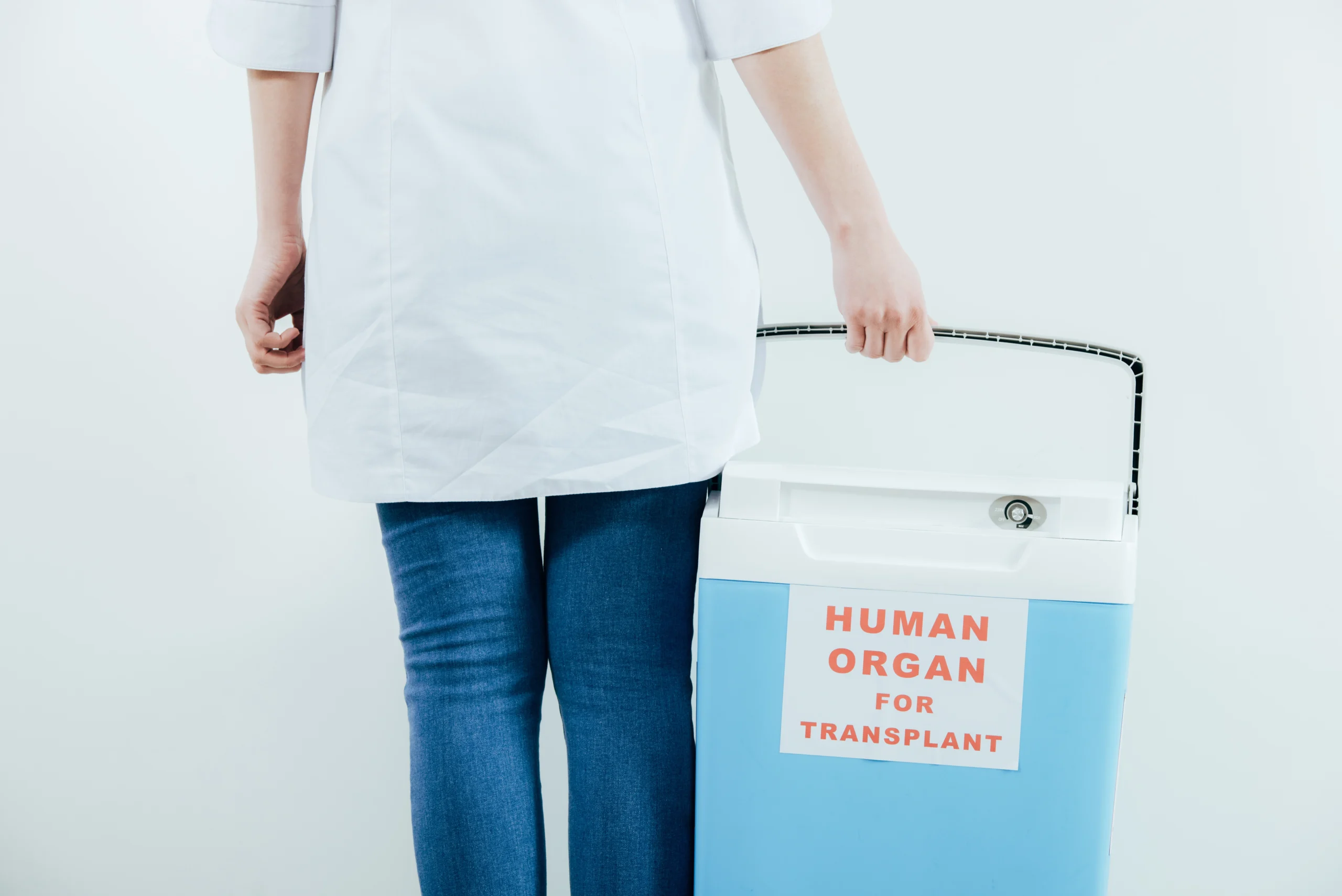
Because donation after circulatory death (DCD) and normothermic regional perfusion (NRP) donation take place during a period when resuscitation is still possible and because the patient has not met a biblical definition of death, these techniques must be considered a covert form of intentional death and as such violate the sixth commandment, “You shall not murder” (Exodus 20:13).

Forced Organ Harvesting
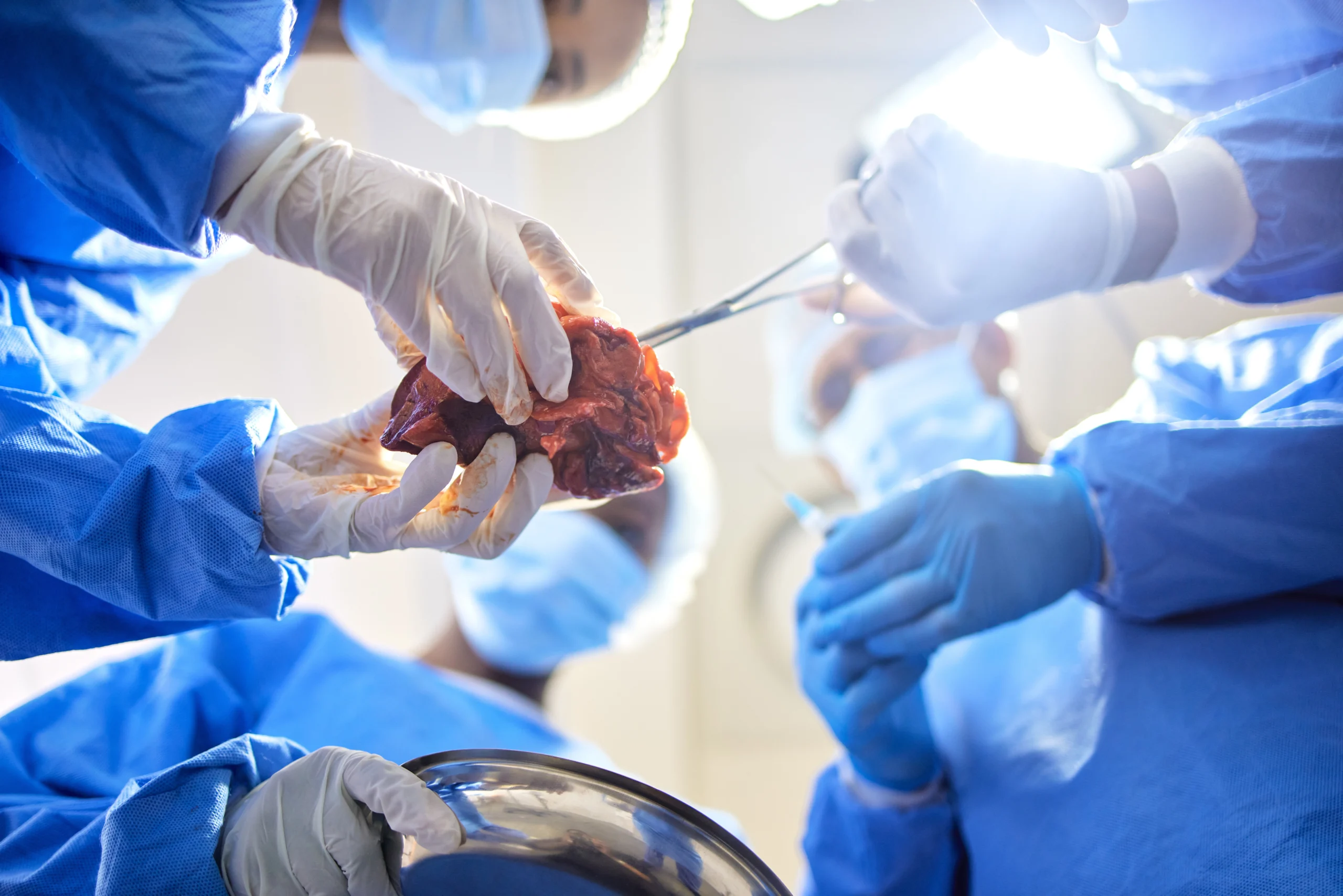
Sadly, China’s Communist Party has a well-documented record of executing political prisoners via forced organ harvesting. Doctors against Forced Organ Harvesting (DAFOH) and other groups have been working to raise public awareness of this practice. In 2022, even the American Journal of Transplantation published Dr. Matthew P. Robertson and Dr. Jacob Lavee’s article revealing 71 reports of Chinese organ harvesting in which death was not properly declared. “In these cases, the removal of the heart during organ procurement must have been the proximate cause of the donor’s death. Because these organ donors could only have been prisoners, our findings strongly suggest that physicians in the People’s Republic of China have participated in executions by organ removal.”
The forced organ harvesting of prisoners (Falun Gong, Uighur Muslims, House-Church Christians, and others) is a crime against humanity and deserves to be condemned.
Organ Trafficking
Another heinous practice is the exploitation of the poor in non-industrialized countries, who are offered a paltry sum to donate a kidney to a wealthy recipient. Even though the exchange of organs for money is illegal (except in Iran), the World Health Organization estimated in 2009 that one fifth of the 70,000 kidney transplants worldwide that year came from organ trafficking.
The exploitation of the poor for the benefit of the wealthy is problematic in and of itself. Certainly, the amount of money the poor donor receives pales in comparison to what is charged as the organ is passed along from the trafficker to a major medical center. Additionally, because donating a kidney involves major surgery, complications can occur. For many of these impoverished donors, follow-up care is minimal, and the traffickers are long gone when it comes to paying for any long-term complications.
The exploitation of the poor for their organs is inconsistent with biblical teachings such as in Proverbs 14:31 which says, “Whoever oppresses the poor shows contempt for their Maker, but whoever is kind to the needy honors God.” Taking advantage of someone’s poverty is not only a sin against that person, but a sin against God as well.

Tissue Donation
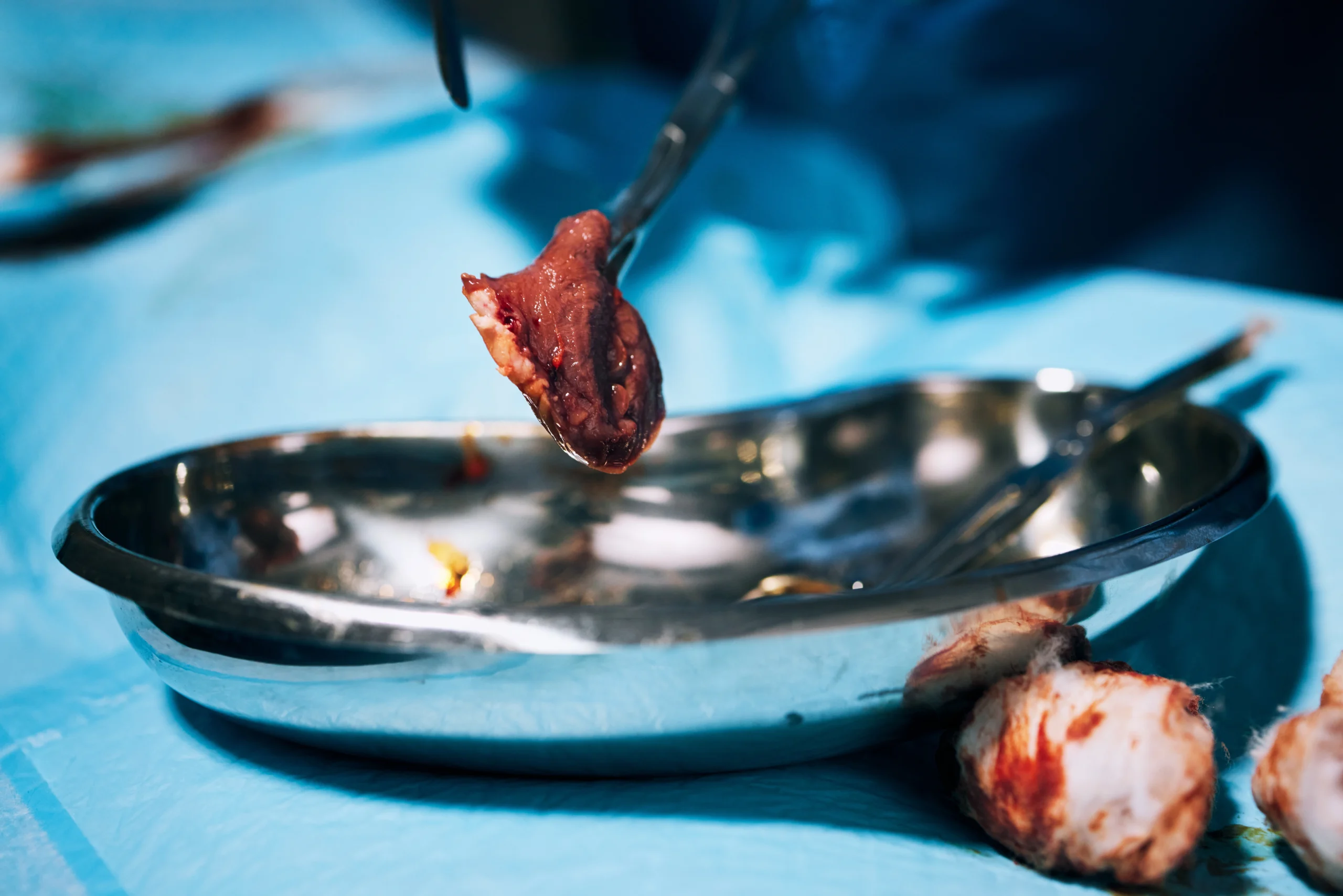
Unlike organs, tissues (such as skin, bone, corneas, and heart valves) are more resistant to the effects of lost circulation and can be ethically donated from a biologically dead body. However, death investigations have been upended when Organ Procurement Organizations (OPO) have been given access to a body before a coroner’s autopsy. Because tissue harvesting removes large amounts of biological material, the pathologist or coroner subsequently only receives a partial cadaver. This means that some families have been left without answers or closure as to why their loved one died. Even worse, other families have been left without justice in criminal cases where death was possibly the result of a homicide.
The best way to donate tissues is to refuse to be a registered donor. Simply alert family (and document in a healthcare power of attorney) that surviving family may release the remains for tissue donation after all questions have been answered, including whether or not death was the result of a crime.
The donation of a biologically dead body for tissues is an ethical practice, but care must be taken to leave this decision in the hands of the family by refusing to be a registered donor.
Pastoral Application

People need to receive factual information about organ donation before calamity strikes, and they are faced with making life-and-death decisions during a time of crisis. It is important that Christians fully understand the biblical definitions of life and death so as not to fall prey to misleading advertising campaigns and slogans about becoming an organ donor. Clergy and congregations should receive teaching on these important subjects.
Also, people need to be informed that an organ donor registration is legally binding. Registering as an organ donor automatically sets a process in motion to ensure that organs will be taken, regardless of the wishes of surviving family. Organ Procurement Organizations have successfully sued in court to remove people’s organs over the objections of their families, simply because the person checked a box at the Department of Motor Vehicles without any type of informed consent. Registering as an organ donor puts people at risk of being taken for organ donation while they are still alive and should be avoided. If people wish to donate tissues from a biologically dead body, registration is not necessary because the family can give consent to tissue donation after all their questions have been answered and it is certain that the person’s death was not the result of a crime.
The 2006 revision of the Uniform Anatomical Gift Act (UAGA) now states that if an incapacitated person has no documented refusal to donate, and their family or healthcare surrogate cannot be found, the hospital administrator shall donate their organs on their behalf. Thus, it is important that people document a specific refusal to donate in their electronic medical record and end-of-life documents in order to avoid this vulnerability. A downloadable refusal-to-donate wallet card may be found here.
Because society has uncritically accepted the unethical forms of organ donation (donation after brain death, donation after circulatory death, and normothermic regional perfusion donation) for nearly 60 years, there are many people who have participated in these practices in ignorance of the facts. The lack of full transparency and proper informed consent regarding the details of organ donation have misled people into making well-intentioned decisions that are inconsistent with Christian values. Because people have been deceived into acts that violate their consciences, many will need pastoral care and counseling, particularly those who have participated in organ retrieval as healthcare workers, families who have given a beloved family member to become an organ donor, and people who have received an organ.
Providing pastoral care to a family that has experienced organ donation of a loved one is important and will be unique based on a myriad of circumstances, such as the age, health, and well-being of the donor prior to death, the donor’s beliefs, and values, and their roles in the family (parent, child, grandparent). Family members may come to realize they inadvertently hastened their loved ones death and feel shame or guilt. Confession and absolution should be provided when the surviving family member[s] seek it.
Additional words of comfort can include;
- “If you are a healthcare professional, it is not your fault that this information was not given to you. The vast amount of information you must learn for your profession makes it impossible for you to personally investigate everything you are taught. You have been forced to take much of what you know on the basis of the authority of your instructors, who likely accept their information on the authority of their teachers before them.
- If you have given a beloved family member to become an organ donor, it is not your fault that these facts were not explained to you. You made the best decision you could at the time with the information you had available.
- If you have received an organ, we are glad you are here! We respect your life as well. It is not your fault that the organ you were given may have been procured in a way that violates your conscience.”
Conclusion
Remember, a brain death diagnosis does not benefit the brain-dead patient directly, as a brain death diagnosis is not necessary for the compassionate withdrawal of care at the end of life.
The patient or the patient’s family may derive a sense of good from the altruistic act of helping others through organ donation. But, given that these people are only dead by redefinition, and not dead in fact, the use of linguistic subterfuge to obtain a consent to donate organs arguably violates the sixth and eighth commandments.
Drs. Verheijde, Rady, and McGregor describe brain death this way*: “The scientific uncertainty of the definition and clinical imprecision of the determination of states of impaired consciousness (including brain death) have not been disclosed to the general public nor have they been broadly debated by the medical community or religious scholars. Heart-beating or non-heart-beating organ procurement from patients with impaired consciousness is de facto a concealed practice of physician-assisted death, and therefore, violates both criminal law and the central tenet of medicine not to do harm to patients. Society must decide if physician-assisted death is permissible and desirable to resolve the conflict about procuring organs from patients with impaired consciousness within the context of the perceived need to enhance the supply of transplantable organs.” ***
According to the principle drawn from St. Paul: Non suntfacienda mala ut eveniant bona — It is not licit to do evil that good may come of it (cf. Rom 3:8).”
We need to speak the truth in love to those considering medical options for treating organ failure and recommend ethical options such as living donation, in which both the donor and recipient remain alive after the procedure. At the same time, people need to prayerfully consider whether God would have them make such a self-sacrificial gift, and we need to guard against coercion. No one is required to risk their life to help someone else by becoming a living donor, which should be considered a laudable but extraordinary vocation.
Finally, we need to support research into ethical options for the treatment of organ failure and expose the facts about our current unethical system.
Key Citations and References
Comprehensive Reference List
Citations
1. Verheijde JL, Rady MY, McGregor JL. Brain death, states of impaired consciousness, and physician-assisted death for end-of-life organ donation and transplantation. Med Health Care Philos. 2009 Nov;12(4):409-21. doi: 10.1007/s11019-009-9204-0. Epub 2009 May 13. Erratum in: Med Health Care Philos. 2009 Nov;12(4):491. PMID: 19437141; PMCID: PMC2777223.)