
Decisions About End-of-Life Care
Biblical Basis
Technical & Medical Basis
Pastoral Application
“Listen to me, O house of Jacob, all you who remain of the house of Israel, you whom I have upheld since you were conceived, and have carried since your birth. Even to your old age and gray hairs I am he, I am he who will sustain you I have made you and I will carry you; I will sustain you and I will rescue you.”
–Isaiah 46:3-4 (NIV)
For the person who has been given a terminal or fatal diagnosis, these verses in Isaiah are some of the most reassuring promises found in the Word of God. It is a picture not of us trying to get God’s attention but of Him focused on us individually, holding us in His, strong arms. This is the assurance needed by anyone who is facing an uncertain medical future, regardless of age.
This promise also reminds the patient that he or she can affirm the words of King David, “But I trust in you, Lord; I say, ‘You are my God.’ My times are in your hands; deliver me from the hands of my enemies, from those who pursue me” (Ps. 31:14-15), because our trust is not in human wisdom but God’s loving mercy.
The story of Hezekiah found in 2 Kings 20:1-11 (also 2 Chron. 32:24-26, Is. 38:1-22) captures what it is like to be told you are so ill, you are at the point of death and you need to put your house in order.
In those days Hezekiah became ill and was at the point of death. The prophet Isaiah son of Amoz went to him and said, “This is what the Lord says: Put your house in order, because you are going to die; you will not recover.”
Hezekiah turned his face to the wall and prayed to the Lord, “Remember, Lord, how I have walked before you faithfully and with wholehearted devotion and have done what is good in your eyes.” And Hezekiah wept bitterly.
Before Isaiah had left the middle court, the word of the Lord came to him: “Go back and tell Hezekiah, the ruler of my people, ‘This is what the Lord, the God of your father David, says: I have heard your prayer and seen your tears; I will heal you. On the third day from now you will go up to the temple of the Lord. I will add fifteen years to your life. And I will deliver you and this city from the hand of the king of Assyria. I will defend this city for my sake and for the sake of my servant David.’”
Hezekiah’s story also affirms what God tells the Israelites in Deuteronomy, “‘See now that I myself am he! There is no god besides me. I put to death and I bring to life, I have wounded and I will heal, and no one can deliver out of my hand’” (Deut. 32:39). Clearly, the ability to predict death is only found in God’s omniscience, but the call to be prepared for death is something that patients have to face every day. Understanding both what God’s word says about illness, aging, and dying as well as being informed about the various types of healthcare treatments and services a patient may need can greatly reduce levels of anxiety and stress for everyone involved in caring for a sick person.
The challenge for the patient and their loved ones is to balance the medical treatment options they are offered with prayerfully seeking God’s guidance to choose only the interventions that uphold the honor, dignity, and value of the patient throughout the process, allowing them to live and die faithfully in their relationship with God. “The Spirit himself testifies with our spirit that we are God’s children. Now if we are children, then we are heirs—heirs of God and co-heirs with Christ, if indeed we share in his sufferings in order that we may also share in his glory” (Rom. 8:16-17).
Often the most difficult truth we need to accept when we receive a terminal or fatal diagnosis is that there are limitations of both medicine to heal and our ability to control our body when it stops working as we expect it to. Surrendering ourselves or our loved one to the reality that death is inevitable may be the hardest thing God asks us to do.
Whether treatment heals, slows down the progression of the disease, or becomes too burdensome to continue, each patient needs to be encouraged to plan and prepare to finish life faithful to God, recognizing that every day is an opportunity to bear witness concerning the redeeming love of Jesus Christ to those around them. Just as the goals and choices in life become a testimony to the type of relationship one has with the Lord, each person’s experience with illness, aging, and dying also reveals the depth of love and trust that someone has for God.
King David understood the importance of our faith in trusting in God’s love for us regardless of age and health. “The righteous will flourish like a palm tree, they will grow like a cedar of Lebanon; planted in the house of the Lord, they will flourish in the courts of our God. They will still bear fruit in old age, they will stay fresh and green, proclaiming, “The Lord is upright; he is my Rock, and there is no wickedness in him” (Ps. 92:12-15).
Additional Resources
- Add resources here

Technical & Medical Basis
End-of-Life Decision Making from a medical and technical perspective
End-of-Life Decisions
Decisions about care at the end-of-life are inherently difficult and stressful. Each patient is unique as well as their healthcare issues; therefore, there is no one-size-fits-all plan for medical care and treatment, especially if recovery isn’t possible and death becomes probable.
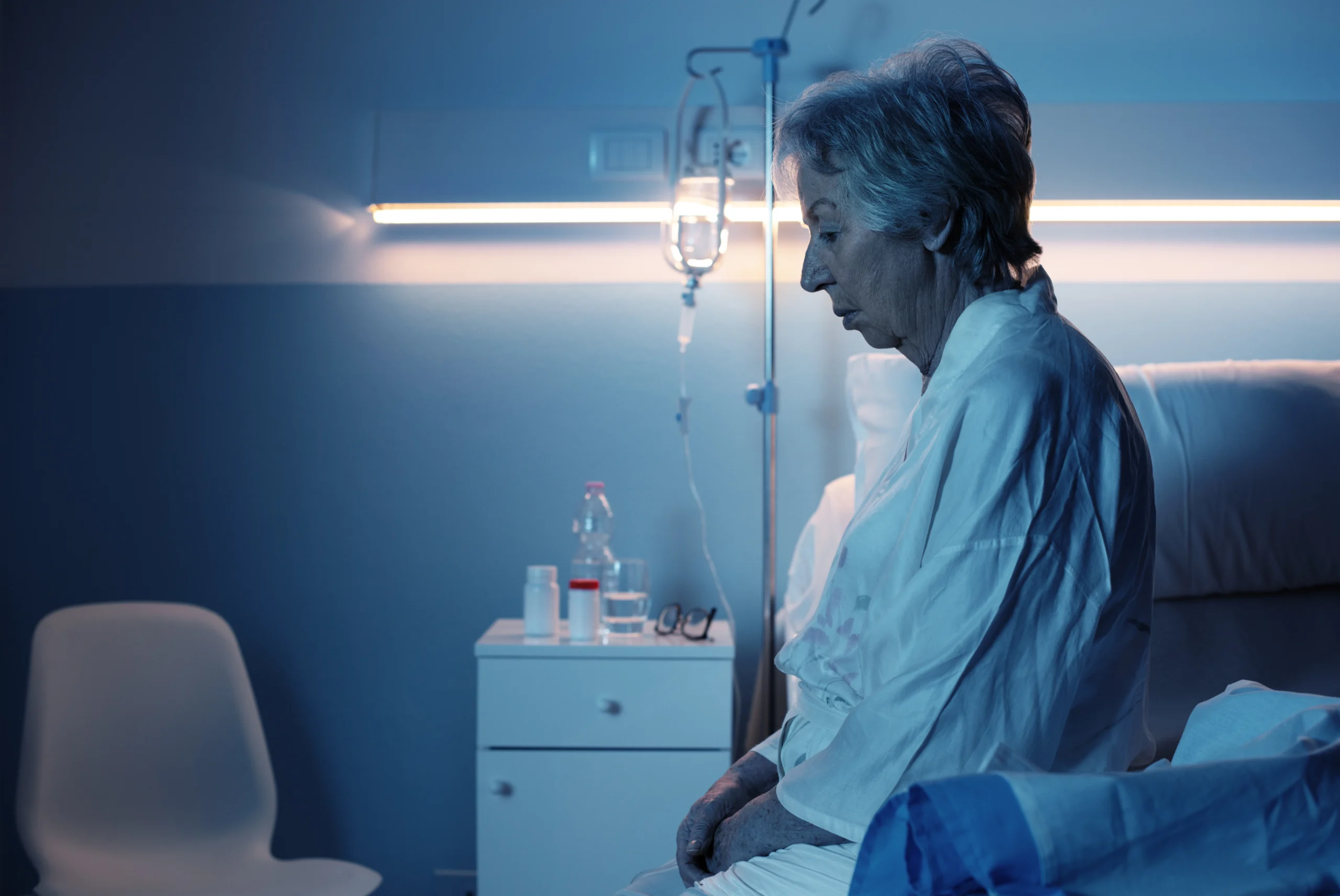
Medical crises often take people by surprise, and they are unacquainted with emergency rooms, oncology offices, rehabilitation facilities, or hospitals. The sights, smells, and sounds are not familiar nor are the words used by medical personnel. It can be a scary and anxious time, especially if you are older, hard of hearing, have vision problems, in pain, or concerned for your loved one.
It is in such times that knowledge can empower the patient and their family and can help establish a sense of calm. It is also in times like this, that it is helpful to have had some conversations about expectations in possible health emergencies and who can or should be involved in discussing the patient’s medical needs versus making healthcare decisions. The old adage about “the more you are prepared, the better off you will be” is true and it is why Anglicans For Life created a special curriculum called Embrace the Journey to help people prepare for aging and dying before they get into a crisis.
There are a variety of healthcare services and support systems that may become medical options, depending on the type of health crisis or ongoing medical challenge that someone is facing. This section is designed to unpack two topics of care that the average patient and their family may encounter and will need to understand.
- Advance Care Directives
- Types of Care that May be Needed
Advanced Care Directives
Advance care planning is available for Medicare and Medicaid recipients and allows the patient’s primary care physician to talk with the patient about important decisions that can affect the type of care they receive and when they receive it. The Medicare recipient is encouraged to discuss their long-term healthcare goals and these conversations can help a person to begin thinking about their priorities, preferences, and plans in case of major illness or terminal diagnosis. Certain questions can help people focus on aging and dying:
- What are your end-of-life goals?
- What are your biggest fears and concerns about aging, illness, and dying?
- What goals are most important to you related to your style of living and your healthcare as you age or as you deal with pre-existing health issues?
- What trade-offs or compromises would you be willing to make?
Questions that focus on treatment options should not be discussed because it is impossible to make decisions about treatment for specific healthcare problems when they haven’t actually occurred. Do not answer these types of questions:
- Do you want life support?
- Do you want a ventilator to be used?
- Do you want antibiotics to be used?
- Do you want pain intervention to be used?
Types of Advance Directives
There are five types of advance directives that are commonly considered when people are establishing their end-of-life documents such as the last will and testament; revocable or irrevocable family trusts; and power of attorney for finances or health. Some state laws vary and can affect existing documents if the person moves from one state to another. There is no federal law requiring people to have an advance directive to receive care in a hospital.
Living Wills
Living wills were introduced in the 1970s as part of the right-to-die movement, enabling people to designate their preferences if they were physically or mentally incapacitated to make healthcare decisions. Also known as an advance directive, living wills require you to declare your preferences using generic statements such as I do or don’t want antibiotics, I do or don’t want life-sustaining treatment. Circling the do or don’t for general healthcare statements is problematic for two reasons.
When someone chooses to say no to life-sustaining treatment, their choice may deny them care they actually want. Consider Sallie, she is an 87-year-old female in good health and recently updated her living will to say she doesn’t want life-sustaining treatment. She believed that meant she was saying no to extraordinary care like a ventilator when she is older. On their way home from the lawyer’s office, she and her husband were in a bad car accident, and her left lung was punctured. At the hospital, she was put on a ventilator while they operated on her lung.
Her daughter brought a copy of the living will to the attending physician. Based on the law and Sallie’s living will, the attending physician should remove Sallie from the ventilator, which would cause her death.
Then the second problem arose; the attending physician, often referred to as a hospitalist, didn’t know Sallie. He didn’t know her values, her health history, or whether she wants to live, even if it means temporarily dependent on a ventilator. All the attending physician has to go by is the living will, which is a legal document. The daughter told the doctor, her mother only meant no life-sustaining treatment at the end of her life, but Sallie’s son didn’t agree with the sister, creating further confusion.
Living wills and advance directives don’t incorporate the myriad of variables that are the hallmark of a medical diagnosis and treatment options. Would Sallie have expressed a desire for life-sustaining treatment if she had a proper understanding of what is included in the legal definition of such treatment? Did Sallie know that insulin and even food and fluids provided via a feeding tube would be considered life-sustaining treatment?
Physician orders for life sustaining treatment (POLST)
Physician orders for life sustaining treatment (POLST) or medical orders for life sustaining treatment (MOLST) are actual medical orders that are legally binding and are effective once they are signed by a doctor. It includes sections on resuscitation (DNR/CPR), intubation, feeding tubes, pain management, and antibiotics. POLST/MOLST are different and separate from advance directives/living wills. POLST is effective immediately versus living wills that are a guide for future healthcare decisions. Because a POLST form is a legal medical order, healthcare providers (especially EMS) prioritize it in emergency situations. For example, if POLST specifies, “Do not resuscitate” (DNR) but a living will requests all life-saving measures, medical providers will follow the POLST due to its clarity and legal weight as a medical order.
This form is typically used for patients with serious life-limiting medical conditions or who are extremely frail. A POLST form is typically printed on neon-colored paper and kept in a visible place in the home and in the patient’s medical record and all healthcare providers have to honor its orders.
While these forms can be necessary in limited healthcare situations, such as when a patient is in the final stages of death, they can also be used to prevent life-saving medical care leading to a hastened death due to lack of proper treatment.
Do-Not-Resuscitate (DNR)
Another directive that is also included on the POLST form but may exist separately in a patient’s medical record is a Do-Not-Resuscitate order, DNR for short.
DNR is a legal medical directive in a patient’s medical record, written according to the wishes of the patient who does not want CPR or advanced cardiac life support if his or her heart were to stop, or he or she stopped breathing.
There are a few variations of DNR orders, but the only time it is appropriate to have one is if you or your loved one is near the end of life or in the last stages of a terminal illness. Trying to resuscitate an elderly frail person can actually cause broken ribs if administered too aggressively.
Families of patients must be cautious about consenting to a DNR, for even a patient with a terminal illness may have many years before he or she is actually near death. For example, someone with HIV would be considered terminal but live 20 or more years with the disease. So a terminal diagnosis should not be the baseline for having a do-not-resuscitate order.
Also, we need to be vigilant about a DNR order being put on a patient’s chart without consent from the patient or patient representative. This happened to a 12-year-old boy from Texas who was shot in the head. His doctor said his prognosis was poor; he was diagnosed as being in a persistent vegetative state, but he was breathing on his own. The doctor secretly withdrew the boy’s food and water directives and slipped a do-not-resuscitate order into his chart without his parent’s knowledge or consent. His mom had to fight to get the DNR order removed. And it’s good that she did because the young boy went on to make a full recovery.
A study, presented at the American Surgical Association’s annual conference, found that elderly patients who sign pre-operative DNR orders are more likely to die from surgical complications because the DNR order effectively prevents aggressive treatment if they do have complications.
Long-term care insurance (LTCI)
Long-term care insurance (LTCI) has been popular for more than 40 years and has evolved based on changes in people’s care preferences toward the end of life. This type of insurance helps cover costs for services not typically included in regular health insurance or Medicare, such as assistance with daily activities (e.g., bathing, dressing, eating) due to chronic illness or disability. This type of insurance is purchased before someone actually knows what type of care they will need but is designed to help offset the costs once they are being incurred.
LTCI essentially covers services that are provided in settings such as nursing homes, assisted living facilities, or at home. Key features of long-term care insurance include:
- Policies may cover nursing home care, assisted living, home health aides, adult daycare, or respite care. Comprehensive policies include multiple settings, while some are limited to specific care types (e.g., institutional or home-based).
- Benefits typically kick in when the insured cannot perform two or more activities of daily living or has a cognitive impairment requiring supervision.
- Premiums depend on age, health, coverage amount, benefit period, and inflation protection. For example, a 2024 average policy costs three hundred dollars per month, but premiums can rise over time, especially for traditional policies.
- Most policies reimburse costs up to a daily or monthly limit, though some offer cash benefits. The lifetime maximum is set by the daily amount times the number of days covered.
Power of attorney for healthcare (POA)
The best advance directive is called a power of attorney for healthcare (POA). This document identifies someone to legally make medical decisions for the patient if they are incapacitated, this can be permanent or temporary. A power of attorney for healthcare is the best choice for an advance directive, and we strongly recommend them over other documents.
Appointing a POA allows the advocate to make healthcare decisions for the patient based on actual medical data, test results, and the patient’s preferences without being limited or controlled by a document with checked boxes such as with a living will.
A power of attorney for healthcare can:
- Talk with your doctors. Make choices about your medical care or services, such as tests, medicine, or surgery. This care or service could be to find out what the health problem is or how to treat it. It can also include care to keep you alive. If the treatment or care has already started, your healthcare advocate can keep it going or have it stopped.
- Interpret any instructions you have given according to your healthcare advocate’s understanding of your wishes and values.
- Consent to admission to an assisted living facility, hospital, hospice, or nursing home for you. Your advocate can hire any kind of healthcare worker you may need to help or take care of you. Your advocate may also dismiss or change a healthcare provider if needed.
- Make the decision to request, take away, or not give medical treatments, including artificially provided food and water and any other treatments to keep you alive.
- See and approve release of your records and personal files. If you need to sign your name to retrieve any of these files, your advocate can sign for you.
- Move you to another state to obtain the care you need to carry out your wishes.
- Authorize or refuse to authorize any medication or procedure needed to help with pain.
- Take any legal action to carry out your wishes.
- Donate usable organs or tissues as allowed by law.
- Apply for Medicare, Medicaid, insurance, or other programs for you. Your advocate should be able to see your records to find out what is needed to fill out these forms.
Please note that a power of attorney for healthcare is separate and different from a power of attorney for finance; though, the same person can be appointed for both.
Choosing a power of attorney for healthcare can be challenging. He or she must be someone who knows and cares for the patient. They must be able to make difficult decisions and remain calm in a crisis. They should be nearby and available if needed. It is critical for the POA to have an in-depth conversation with the patient to discuss, understand, follow, and respect the patient’s wishes. After appointing someone as the power of attorney for healthcare, be sure to:
- Give them a copy of the signed form so they can share as needed.
- Give the POA the names and contact information of your healthcare and insurance providers.
- Give your primary care provider the name and contact information of your POA.



Types of Care That May Be Needed
While most acute medical care begins in a hospital setting, secondary or extended care will often require the patient to be transferred to another facility. It is even common to see a patient moved to multiple care facilities depending on a variety of issues such as room availability, mobility, physical therapy needs, finances, insurance, home circumstances, and long-term versus short-term needs.
Nursing Homes
Nursing home is a generic term used to describe a facility that provides care, but actually there are various types of nursing home accommodations available to care for a patient depending on their needs. Here’s an overview of the main types:
- Skilled nursing facilities: Provide 24/7 medical care for seniors with serious health conditions or post-hospital recovery needs. They offer skilled nursing, physical therapy, and assistance with daily activities and are best for those requiring intensive medical support.
- Assisted living facilities: Focus on seniors who need help with daily tasks (e.g., bathing, dressing, meals) but don’t require constant medical care. Emphasize independence with social activities and some medical oversight.
- Memory care facilities: Specialized for seniors with Alzheimer’s or dementia. They offer secure environments, structured routines, and staff trained in memory-related care to manage cognitive decline.
- Continuing care retirement communities: Combine independent living, assisted living, and nursing home care on one campus. Residents can transition between levels of care as needs change. They’re ideal for long-term planning.
- Board and care homes: These are smaller residential settings offering personalized care and a homelike environment. They provide assistance with daily activities and some medical support. They are suited for those preferring a less institutional feel.
- Rehabilitation centers: These are short-term facilities focused on recovery after surgery, injury, or illness. They offer intensive therapy (such as physical, occupational, and speech) to help seniors regain independence.
Each level of care varies in cost, care needed, and environment, so the choice will depend on the patient’s health, budget, needs, and preferences.
Hospice Care
Hospice care is another type of care that may be familiar to many people. Hospice care focuses on providing comfort and support to individuals with terminal illnesses who are nearing the end of life, typically with a prognosis of six months or less to live. It emphasizes keeping the patient comfortable instead of curing the illness and often includes addressing physical, emotional, and spiritual needs to prepare for dying. Hospice care can be provided in various settings, including:
- Home: The most common setting, with care from hospice professionals and family support.
- Nursing homes: This is for residents already in long-term care facilities.
- Hospice facilities: These are dedicated centers for end-of-life care.
- Hospitals: Used when patients need short-term symptom management.
Hospice services include:
- Pain and symptom management (palliative care).
- Emotional and psychological support for patients and families.
- Assistance with daily activities (e.g., bathing, dressing).
- Spiritual counseling, if desired.
- Bereavement support for families after the patient’s death.
For elderly individuals in nursing homes, hospice care can be integrated into their existing care plan. Many nursing homes partner with hospice providers to deliver services on-site, allowing residents to stay in familiar surroundings. Long-term care insurance may cover some hospice costs if included in the policy, but Medicare typically takes precedence for eligible patients.
Hospice care is delivered by a team of professionals, including doctors, nurses, social workers, chaplains, and volunteers. To qualify for hospice care, particularly under Medicare or most insurance plans in the U.S., specific criteria must be met:
- Terminal illness diagnosis: A physician must certify that the patient has a life expectancy of six months or less if the illness runs its expected course. This prognosis is based on the patient’s medical condition and decline trajectory. Common qualifying conditions include advanced cancer, heart failure, COPD, Alzheimer’s or dementia, kidney failure, or ALS.
- Certification by physicians: Two physicians (typically the patient’s primary doctor and a hospice medical director) must confirm the terminal prognosis.
- The certification must be documented, and recertification is required if the patient lives beyond six months.
- Acceptance of palliative care: The patient must agree to forgo curative treatments (e.g., chemotherapy for cancer) in favor of comfort-focused care. This means stopping treatments aimed at curing the illness though treatments for symptom relief (e.g., pain medication) are continued.
Patients can revoke hospice care to resume curative treatment or for other reasons, then re-enroll if needed. Hospice is not limited to the elderly; anyone with a qualifying terminal illness can enroll.
Choosing a reputable, licensed hospice provider is important. Medicare’s website (medicare.gov) or state health departments can list approved providers. The patient or family has the right to interview hospice agencies and choose one they feel aligns with their values and priorities for the patient. Families often delay seeking hospice care due to the emotional difficulty associated with accepting a terminal prognosis. Hospice does offer counseling and education for families, which can be helpful especially if the family is not coping well.
Withdrawal of Care
A point may come in the treatment process for a patient, when a discussion needs to occur about ending a specific treatment plan. This can occur for several reasons, such as when the medical intervention is no longer effective in treating the illness, when the treatment becomes overly burdensome for the patient, or when it prevents the patient from achieving their end-of-life goals. Stopping a specific treatment may cause natural death to occur sooner than if treatment had continued, such as with dialysis.
Withdrawing care should only occur in rare circumstances and the only people who can make the decision is the patient or their power of attorney for healthcare and the decision should align with the patient’s end-of-life wishes. How care is withdrawn is important and should NOT employ the following three methods.
Futile Care
Futile care is similar but distinctly different in that the decision to stop treatment is made by the medical team and the family may or may not be consulted. Typically, it is a doctor or hospitalist who judges the treatment as “futile” and believes it is wasting resources or giving the patient false hope of recovery. Defining futility is complex and can be controversial because patients, their families, and the healthcare provider may disagree on what is or isn’t beneficial for the patient.
Choosing to end or withhold treatment should never include stopping food or fluids, unless death is imminent or the patient is choosing not to eat or drink. If the patient is being fed through a feeding tube, withdrawal of the feeding tube will lead to dehydration or starvation and death. Once a feeding tube is in place, it should remain to ensure the patient can receive nutrition and hydration.
Voluntarily stopping eating and drinking (VSED)
Voluntarily stopping eating and drinking (VSED) is a specific form of withdrawing care (stopping food and fluids), but it is patient-initiated and focused on hastening death, whereas withdrawal of care broadly includes stopping all life-sustaining treatment (e.g., ventilators) for comfort or futility reasons. While VSED respects autonomy, some argue it can feel coercive if driven by lack of other options to access care. VSED is a form of starvation that causes dehydration and is physically very painful to endure.
Terminal Sedation
Terminal sedation can accompany withdrawal of care and if used aggressively, will hasten the dying process. Terminal sedation places a patient under anesthesia during the dying process. Supportive care is stopped, and the patient is given a sufficient number of drugs to render them unconscious.
An article titled “A Declaration on Assisted Dying” authored at the 13th International Conference of the World Federation of Right to Die Societies in 2000, describes the practice of terminal sedation as something done regularly throughout the world in hospitals, nursing homes, hospices, and in private homes. It is carried out under the doctrine known as double effect by which a physician may lawfully administer increasing dosages of regular analgesic and sedative drugs that can hasten someone’s death as long as the declared intention is to ease pain and suffering.
Their double-effect doctrine is discussed in-depth in the article “Stealth Euthanasia.” To prevent a loved one from becoming a victim of it, the POA can work with the medical staff to identify the lowest dose of sedation that prevents discomfort but doesn’t cause an unconscious state.
When the patient is put into a state of unconsciousness, the dying person is deprived of being present at the end of their own life; it undermines their humanity and personhood. It can also deny family members the opportunity to have time with the dying person.
According to the Hospice Patients Alliance, terminal sedation is becoming more and more common in hospice situations and is used in effect as a means of slow euthanasia where the family and/or healthcare professionals are not willing to openly admit they are choosing to end the life of the patient. It is often done routinely without the patient’s knowledge or permission, and outwardly it appears as a peaceful death.
Complete sedation of a patient is appropriate only when the patient is already actively dying and severely agitated, is in a delirious state, or when sedation combined with pain medication is being used to manage extreme uncontrolled pain. Sedating the patient in these rare circumstances manages the symptoms but does not cause death as terminal sedation does.
Comfort Care
Comfort care focuses on keeping the patient comfortable when the decision is made to stop seeking to cure an illness. A cancer patient may decide to stop chemotherapy or radiation because it has become too burdensome or is no longer effective in preventing the cancer from advancing.
Palliative Care
Palliative care would then be employed to help manage pain using various pain medications to keep the patient comfortable and pain free.
Palliative care is for people of any age and at any stage in an illness, whether that illness is curable, chronic, or life-threatening. Palliative care is in essence about pain and symptom management. It has become a specialized field of medicine and should be included in caring for every patient that is experiencing any level of discomfort, regardless of age or status of health.
When medical professionals use either of these terms, it is critical to ask for clarification to ensure the family and patient understand what type of care is being referred to in the discussion.
Pastoral Application

It is not uncommon that when it’s time to make decisions about care at the end-of-life, people of faith will seek counsel from their pastor or priest. Understanding both the patient’s wishes as they come to the end of their life and the various types of care and directives that may be available to them, is important before providing counsel, and can be made easier the earlier in the process that the priest is invited in to provide guidance and support.
Once the priest has been brought into the conversation about end-of-life decisions, an emphasis on prayer must become the priority. While the family and patient will have been praying (hopefully), the clergy must engage in prayer to seek wisdom and discernment from God, so his/her guidance reflects God’s all-knowing perfect will. Counsel based on our human knowledge is important but only God knows when our life is complete and how we each will finish. Interceding through prayer and fasting can help discern what type of interventions should be pursued or stopped, as best for the patient in their particular circumstances.
In addition to prayer and beyond providing godly counsel about end-of-life care for the patient, there are six additional concerns that may need to be addressed in providing pastoral care: crisis management, suffering, eternity, grief, caregivers, and practical needs.
Crisis Management
It is possible that you will be contacted because there is conflict either between family members about the course of treatment or between the family and the care facility related to the patient’s care plan. This is when it is helpful to know the patient’s wishes, but if that isn’t possible, identifying the best course of treatment as a team should be pursued. Someone (hopefully with legal authority) needs to serve as the advocate for the patient. If conflict occurs between the advocate and the facility and doctor providing treatment, we recommend seeking advice and guidance from a third party. Two organizations are particularly trained to help when there are differences in the approach to care. The Healthcare Advocacy and Leadership Organization contacted 24 hours a day, 7 days a week at 888-221-HALO (4256) or the Terri Schiavo Life & Hope Network.


Suffering
Suffering, especially physical pain, can be extremely difficult to endure, and as much as possible pain medications should be employed to manage the physical side of suffering. But there is much suffering beyond the physical; the emotional and spiritual toll that illness and treatment takes on the patient and their family can be harder to address.
Beyond medication intervention, the best source of relief from suffering is the Scriptures. Suffering can draw us nearer to the Lord’s suffering and deepen our dependence on Him. Suffering is something we endure and isn’t typically “fixable” as much as it is tolerated.
This teaching in Jesus Calling helps us see suffering from God’s perspective:
“Be prepared to suffer for Me, in My Name. All suffering has meaning in My kingdom. Pain and problems are opportunities to demonstrate your trust in Me. Bearing your circumstances bravely—even thanking Me for them—is one of the highest forms of praise. This sacrifice of thanksgiving rings golden-toned bells of joy throughout heavenly realms. On earth also, your patient suffering sends out ripples of good tidings in ever-widening circles. When suffering strikes, remember that I am sovereign and that I can bring good out of everything. Do not try to run from pain or hide from problems. Instead, accept adversity in My Name, offering it up to Me for My purposes. Thus, your suffering gains meaning and draws you closer to Me. Joy emerges from the ashes of adversity through your trust and thankfulness.”
It also helps to put our suffering in perspective when we contemplate Jesus’ 40 days in the wilderness, where He suffered from heat, thirst, hunger, and temptation. Meditating on the events of Holy Week brings Christ’s anguish into focus, as He sweats blood in the Garden of Gethsemane, praying for God to take the cup of suffering from Him. Consider Good Friday when Jesus was stripped, flogged, crowned with thorns, spit on, mocked, forced to carry His cross, and then nailed to the cross, forsaken, and left for dead. Christ suffered all of that for our sins and through that suffering He opened the door of heaven to us, where there is no suffering and death has lost its sting.
Paul’s teachings to the Romans in both chapter 5 (verse 3) and 8 (verses 18-39) can be especially helpful in addressing the reality of suffering, a concept that even mature Christians can struggle with when faced with prolonged emotional or physical pain. Not only are we reminded that suffering produces perseverance, character and hope (chap. 5) suffering doesn’t compare to the glory of heaven but also that when we suffer, we are brought closer to the Lord as we share the experience of suffering as Christ did in suffering and dying on the cross for us. And in verse 28, we are told that all things, even suffering can work for good, especially if we trust God through it.
Eternity
Pastoral care for someone preparing to die must include the opportunity to share the Gospel to ensure the patient has accepted Jesus Christ as their Lord and Savior, so they can embrace the promise of eternal life in heaven with our triune God and hopefully many friends and family members. It is critical to have honest conversations with the patient not only about their care but about their eternal home. Additional guidance on end-of-life conversations can be found here.
Grief
For the family, grieving often begins before the patient dies, especially if they have suffered through a long, protracted illness. Ironically for some family members if they were very involved in the daily care of the patient, their grief can be mixed with the loss of their identity or purpose which has been tied to caring for the patient. A simple but profound blessing for those who are preparing for the death or mourning a loved one is asking them to share their favorite memories of the patient. It can especially lighten the mood if the patient is able to be awake and share their perspective of the memory!
The hardest part of grief and mourning is that it is unpredictable. Years after the death, a song or picture can spark fresh tears as their absence is felt anew. Affirming grief can also help the person grieving; it is said that the level of grief felt is similar to the level of love known for the person.
Addressing the patient’s grief may also be needed. They may be lamenting the dreams they didn’t get to fulfill or the time they won’t have with loved ones, such as grandchildren. Conversations about the legacy they hope they are leaving and how they want to be remembered can help the patient in preparing to die as well as when consoling the family.
Christian grief counselors and organizations exist as well, to help people cope with grief. GriefShare, Faith & Grief Ministries, and Focus on the Family are a few well-known groups that provide resources and referrals.
Caregivers
Caregivers also need special attention in all the phases of care for the patient. Often the patient gets all the attention and expressions of love, while the caregiver works faithfully and quietly in the background. Providing on-going or around-the-clock care for a loved one can be exhausting. Caregivers must realize that they may experience feelings of anger or depression from the pressure of such responsibilities. Caregivers need to make every effort to maintain a well-rounded, balanced schedule of social activities, eating, sleeping, and exercising.
Caring for the caregiver is a great opportunity for church friends to come alongside the family. Organizing meals two to three times a week, identifying a half day when someone can temporarily relieve the caregiver so they can go out for lunch or get a haircut or even take a nap. Churches can provide great support and sometimes will need to step in and just start helping because caregivers have a hard time asking for help.
If it is a couple—typically one will try to handle life for both of them which can lead to exhaustion or illness. It is important to look for hints and clues in their home that one or both of them is overwhelmed by the circumstances: laundry piling up, bills not being paid, empty refrigerator, and piles of mail or stuff everywhere are often signs of needing help.
Practical Needs
Finally, helping the patient identify their wishes as death draws near can ensure their graduation to heaven can be peaceful. Here are some prompts to ask them about.
- I wish to have my favorite music played when possible until my time of death.
- I wish to have personal care like shaving, nail clipping, hair brushing, and teeth brushing as long as they do not cause me pain or discomfort.
- I wish to have religious readings and well-loved poems read aloud when I am near death.
- I wish to have people with me when possible.
- I want someone to be with me when it seems that death may come at any time.
- I wish to have my hand held and to be talked to when possible, even if I don’t seem to respond to the voice or touch of others.
- I wish to be massaged with warm oils as often as I can be.
- I wish to have the members of my faith community told that I am sick and asked to pray for and visit me.
- I wish to be cared for with kindness and cheerfulness, and not sadness.
- I wish to have pictures of my loved ones in my room near my bed.
- I want to die in my home, if that can be done.

In his book Nearing Home, Billy Graham states,
God knows our infirmities. He knows our strength wanes as the years pass. Our dependence on Him delights Him. Paul reminds us in Colossians that he depended on Christ’s mighty power that works within, and we can claim this as well. Remember, He knows our bodies won’t live forever, and He knows exactly how we feel. We shouldn’t spend time thinking about ourselves and how weak we are. Instead we should think about God and how strong He is. We are told to respond to God’s voice and He will be our strength. The psalmist wrote “My flesh and my heart fail; but God is the strength of my heart.”
These truths are critical to keep before parishioners, especially as their strength wanes and infirmities, pain, and suffering seem to be constant companions.
Key Citations and References
Comprehensive Reference List
Citations
1.