Embryo Adoption
Biblical Basis
Technical & Medical Basis
Pastoral Application
For all who are led by the Spirit of God are sons of God. For you did not receive the spirit of slavery to fall back into fear, but you have received the Spirit of adoption as sons, by whom we cry, “Abba! Father!” The Spirit himself bears witness with our spirit that we are children of God, and if children, then heirs—heirs of God and fellow heirs with Christ, provided we suffer with him in order that we may also be glorified with him.
—Romans 8:14-17
Embryo Adoption Through Scripture
Biblical Basis
Many Christians are well-versed in the importance of adoption, and have even participated by opening their home to welcome a child as part of their family. But there is another aspect of adoption that is less well-known, and yet of equal importance, to Christians today. It is the issue of embryo adoption, or snowflake adoption.
As with the adoption of a child who is already born, embryo adoption is an act of charity toward a child who, for whatever reason, cannot be raised by their biological mother or father. It is not a treatment for infertility, and it is one of the most life-affirming decisions that a family can make when they have leftover human embryos. Adoption allows the biological mother and/or father to give their child life with another family rather than resorting to indefinite freezing or destruction of the human embryo. And the adoptive family has the blessing of welcoming that child into their home and life.
Embryo adoption is about the millions of human embryos frozen in metal containers across the United States who were left over and abandoned after in vitro fertilization (IVF) cycles were performed. Perhaps the parents got divorced, felt that their family was complete, had one spouse die, or no longer wanted their human embryos due to genetic testing results, disinterest, or creating too many. In whatever scenario, embryo adoption, also known as snowflake adoption, functions like adoption of children already born: Children in need of a home and family are adopted and brought into a new family where they are given a chance at life.
Adoption was not our idea first, it was God’s. From the Old Testament to the New Testament, the Bible speaks of God’s care for the poor and fatherless (Deut. 10:18; Ps. 68:5), his pursuit and protection of his children while they were far off (Is. 49:15; Lk. 15:11-32), and even our explicit adoption by God as his sons and daughters (Jn. 1:12; Rom. 8:14-17; Rom. 9:8, 25; Gal. 3:26; Gal. 4:4-7; Eph. 1:3-6).
Ephesians 1:3-6 (ESV) says,
Blessed be the God and Father of our Lord Jesus Christ, who has blessed us in Christ with every spiritual blessing in the heavenly places, even as he chose us in him before the foundation of the world, that we should be holy and blameless before him. In love he predestined us for adoption to himself as sons through Jesus Christ, according to the purpose of his will, to the praise of his glorious grace, with which he has blessed us in the Beloved.
Here we see that it is in love that God “predestined us for adoption to himself” through Jesus Christ.
Although we did not know God, and as Gentiles were estranged from him, God adopted us as his sons and daughters, and gave us the right through Jesus Christ to call him “Abba! Father!” (v. 15). As Jesus reminds us throughout the synoptic Gospels, “Whoever receives one of these little ones in my name receives me” (Matt 18:5) and “Whatever you did for the least of these, you did for me” (Matt 25:40).
Christians, and those used by God to protect his people, are also known for adoption. Pharaoh’s daughter adopted Moses, thus saving his life (Ex 2:5-10; Acts 7:21) and Mordecai, the uncle of Esther, raised Esther after her parents’ death (Esther 2:7). Likewise, the early church was known for its adoption of Roman children who were left, exposed to the elements, to die by their parents. Rather than allowing these unrelated children to perish, early Christians (and each generation since) have opened their homes, their resources, and their hearts to love and give children a chance at life.
Indeed, throughout the Bible adoption reflects the salvific work of God. Moses was pulled from the water and adopted by Pharaoh’s daughter, and through him an entire nation was saved. Esther was taken in by Mordecai after her parents died, and God used them to save their people from annihilation. And we ourselves, estranged from God and without hope, were adopted into his family through Jesus Christ—no longer abandoned, but now beloved.
The pattern is consistent: God saves, in temporal and eternal terms, through adoption. When a Christian family opens their home to a frozen embryo, they are not simply doing a good deed. They are participating in the redemptive work of God himself by offering the human embryo what God first gave us: a name, a family, and a future.
While adoption begins with the loss of one’s biological mother and father, the U.S. law does not leave adopted children in a second-class status compared to naturally born children. For example, when a child is adopted, they cannot be disinherited from their adoptive family. The bond, legally and otherwise, is a permanent commitment between adoptive parent(s) and child.
It is through adoption that God unites us to himself, and likewise, Christians throughout the Bible and Christian history are called to participate in adoption either through prayer, family support, financial contributions, or the adoption of children—be it in embryo “snowflake” adoption or the adoption of born children.

Technical & Medical Basis
Embryo Adoption from a medical and technical perspective
Embryo adoption in the United States emerged as an act of charity for human embryos left over or abandoned as part of the traditional IVF process. While no federal or state law requires fertility clinics to report the number of human embryos they have created, frozen, destroyed, or placed in adoption, estimates suggest there are an average of 1.5 million frozen embryos in the United States alone with many leftover or abandoned by their parent(s) who created them.¹ Given the biological reality of life beginning at conception, not implantation, this means there are an average of 1.5 million human lives sitting in frozen suspension in metal “concentration cans” (as one ethicist calls them). It is a crisis of massive proportions with few life-affirming solutions.²
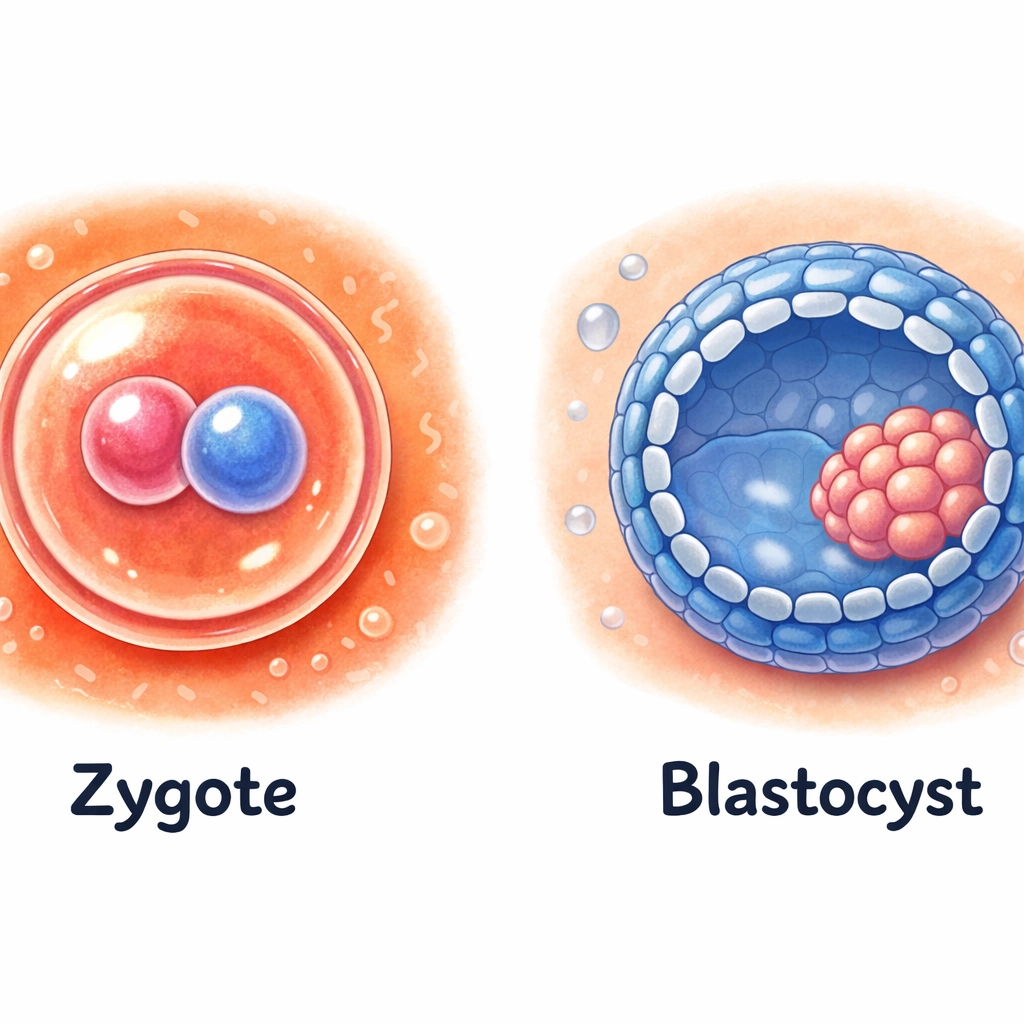
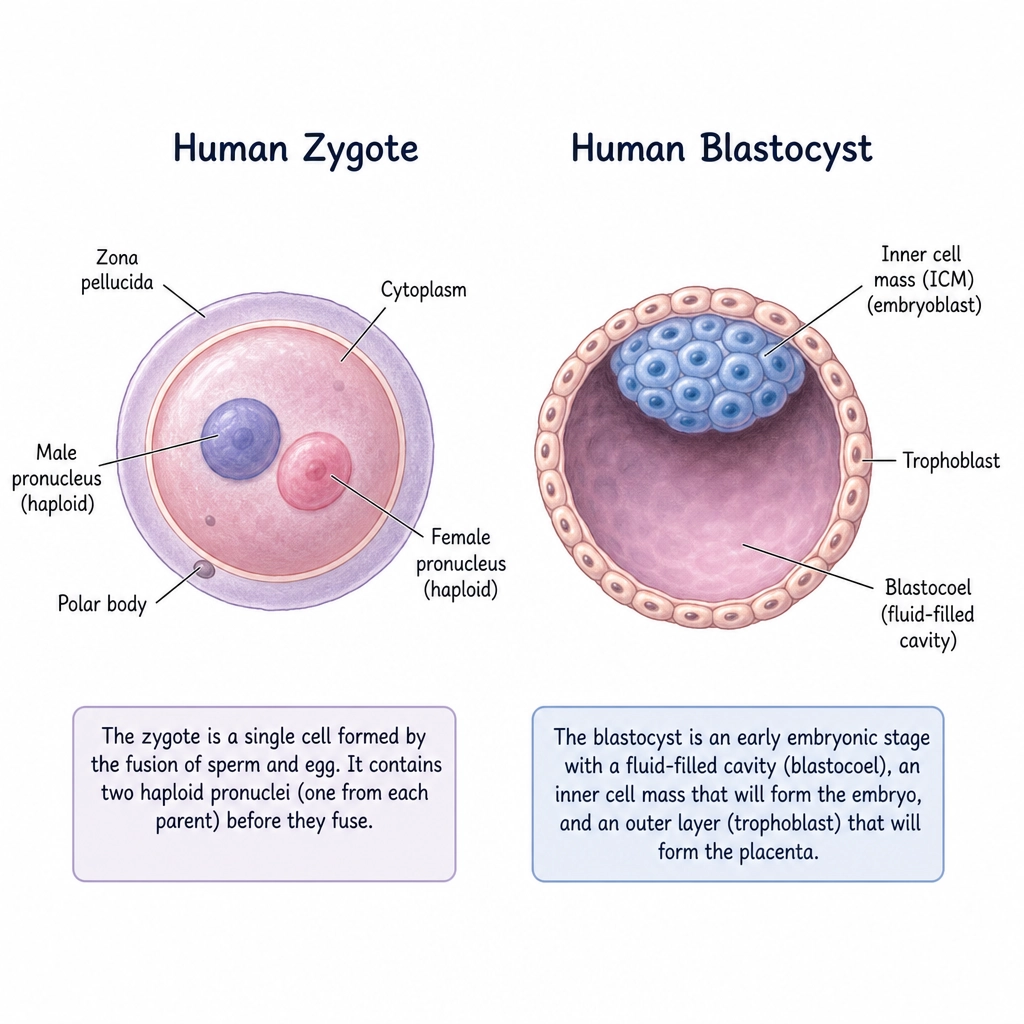
This is where embryo adoption comes in. To understand why embryo adoption exists, one must first understand the IVF process itself. During a standard IVF cycle, fertility specialists deliberately create as many human embryos as they can. This is by design: the more human embryos that a fertility doctor creates, the greater the statistical likelihood that at least one will successfully implant and result in a pregnancy. Typically, only one or two embryos are transferred per cycle to reduce the risk of a high-order multiple pregnancy. If a pregnancy is achieved, the remaining embryos — sometimes called “excess” or “surplus” embryos — are cryogenically frozen and held in storage. If the first transfer fails, those stored embryos may be used in subsequent attempts. Sadly, in many cases, couples or individuals decide that their family is “complete,” or due to divorce, sickness, or death, are no longer able to use the remaining human embryos. It is at that point that families must make a decision: destroy the embryos, donate them to research, leave them frozen indefinitely, or place them for adoption with another family hoping to have children.
In the United States, human embryos are not legally considered persons. They are classified as property—either property of the parents who commissioned their creation or the fertility clinic if they have been abandoned. So when it comes to how embryo adoption is governed, the FDA regulates the transfer of embryos between parties not as a child placement, but as a form of tissue donation—the same regulatory category as a blood transfusion or an organ donation.
This means that when a fertility clinic facilitates embryo donation, they are, in the eyes of the law, transferring biological material from one party to another. There is no home study. No matching process designed with a child’s wellbeing or best interest in mind. No requirement for counseling. In practice, many clinics handle embryo donation as a straightforward medical transaction rather than the adoption of one human life to another family. This means that among fertility clinics, essentially anyone who has the financial means can adopt and implant abandoned human embryos.
This is why it is important for families approaching embryo adoption from a Christian or broadly pro-life perspective to work with a licensed embryo adoption agency rather than a fertility clinic. An embryo adoption agency, unlike a fertility clinic, functions like a children’s adoption agency with case workers, background checks, home visits, and a focus on protecting the best interest of the child. Many of these agencies also prioritize married families with a mother and father to ensure children receive the support and love that they need from both parents to thrive. Churches or organizations that offer a stipend for adoption should include embryo adoption, but specify that the adoption is done through a legitimate agency and not just a fertility clinic.
Success Rates and Additional Information
Key factors influencing success include the age of the egg donor at the time of retrieval, whether the embryos were genetically tested (PGT-A), the number and quality of embryos available, and the recipient’s uterine health. Most families should expect that more than one transfer may be needed. If all embryos are used without a successful pregnancy, agencies such as Snowflakes will re-match families at no additional fee.
The process from initial conversation to live birth can take anywhere from eighteen to twenty-four months, depending on the success rate of the procedure.
-
-
- Clinic-based donation: Typically takes two to three months once an embryo is available
- Agency-based adoption (e.g., Snowflakes): Often takes eight to fourteen months due to the personalized matching and home study process
- Traditional infant adoption: Families seeking a newborn typically face a wait of two years or more
-
Once the child is born, the child is a legal member of the adoptive family such that the biological family cannot take the child back or lay legal claim. Unlike adoption of born children, when a baby is born via embryo adoption, the woman who gave birth is listed on the birth certificate as the mother. There is no revocation period unlike infant adoption, where birth parents may have days or weeks to change their minds after birth.
According to Nightlight…³
42%
Average success rate, measured by live births.
59%
Pregnancy success rate in 2024 for the Snowflakes Embryo Adoption Program.
Nightlight Christian Adoptions (Snowflakes) vs. Working with a Standard Fertility Clinic
Background

What do you need to know about the most popular Christian embryo adoption agencies and standard fertility clinic processes?
In 1997, after hearing a radio program about British frozen embryos being destroyed, Nightlight Christian Adoptions established what it called the Snowflakes Embryo Adoption Program. Nightlight is a licensed and accredited adoption agency, and the Snowflakes program mirrors traditional adoption, grounded in the belief that life begins at conception.
The first recorded embryo adoption that resulted in the live birth of a child occurred in 1998 with Hannah Strege, a human embryo that was previously frozen for two years after her biological parents were no longer able to implant her. Hannah and her family have continued to be on the forefront of embryo adoption advocacy since then, especially showing how even though the law treated Hannah as mere “property,” she was a viable child awaiting adoption, albeit at the earliest stage of development.
With Nightlight, or any legitimate embryo adoption agency, the human embryo is a child waiting to be born. As such, their process follows adoption best practices, including a home study, legal contracts, the option for an open adoption, family matching, case worker mediation, and background checks. The developmental stage of a child should not mean that they receive fewer protections or rights, especially for Christians who value life from the moment of conception.
The Nightlight Snowflakes Process: Step by Step
The Snowflakes program moves through four core phases: application, matching, contracts, and shipping, followed by the medical transfer and post-birth reporting.
Initial Inquiry
Before the process begins, an inquiry specialist consults with the adoptive family via phone or video to determine whether embryo adoption is the right fit. This stage is free and carries no obligation.
Application and Home Study
This is the most paperwork-intensive phase. It includes a formal program agreement, physician approval, entry in a family profile book (which placing families will use to select you), background checks, and medical history forms. Running concurrently is the Snowflakes Family Evaluation (SFE), Nightlight’s version of a home study, which costs $1,500 plus roughly $300 in travel expenses, requires one in-home visit, and typically takes two to four months.
Matching
This is the heart of what makes Snowflakes different. Placing families choose the adoptive family, and the adoptive family can say yes or no. It is a mutual decision between families.
Contracts
Once both families agree, a legal contract transfers embryo ownership to the adoptive family. This phase also establishes the ongoing communication agreement between families. Notably, Nightlight contractually requires that adoptive families agree not to selectively reduce the number of fetuses that begin developing, thus protecting life from conception onward.
Shipping
Embryos are shipped to the adopting family’s fertility clinic from Nightlight’s network of more than forty partner clinics across the US families can save roughly $500 by traveling to the embryos rather than having them shipped.
Frozen Embryo Transfer (FET)
Similar to IVF, the adoptive mother must undergo a rigorous hormonal preparation period that carries real and serious medical risks. The standard Frozen Embryo Transfer (FET) protocol involves a sequence of powerful medications: first, GnRH agonists (such as Lupron) to suppress the woman’s natural hormone cycle, producing menopausal-like side effects including hot flushes, mood swings, sleep disruption, anxiety, heart palpitations, and nausea; followed by high doses of estrogen to thicken the uterine lining, which can increase the risk of blood clots or stroke; and finally progesterone, typically administered as painful intramuscular injections continued through early pregnancy if implantation succeeds.5
Studies have shown that the high estrogen doses used in this process cause measurable changes in the blood’s clotting behavior, raising the risk of dangerous blood clots — a concern that is especially serious for women who already have clotting risk factors.6 Beyond that, the flood of artificial hormones takes a broader toll: women who conceive through FET are nearly twice as likely to develop dangerously high blood pressure during pregnancy compared to women who conceive naturally, and one large national study found that their risk of pre-eclampsia, a potentially life-threatening pregnancy complication, more than doubled.7 Put simply, choosing to carry an adopted embryo is an act of profound sacrifice. The adoptive mother willingly subjects her body to an intensive drug regimen, real physical pain, and serious health risks.
Post-Birth
Snowflakes requires a post-adoption report within six weeks of the baby coming home, plus photos and updates three additional times in the first year and annually thereafter. The relationship between families continues according to whatever contact agreement was established during the contracts phase.
Fertility Clinic Approach
Fertility clinics in the United States, however, take a radically different approach. Such clinics treat the embryo as donated tissue, and it is regulated as such. There is no home study, partnership between families, case workers, or best interest of the child protections in place. The focus is simply on medical screening, legal paperwork, and the timing of the transfer.
Notably, the American Society for Reproductive Medicine (ASRM) is opposed to using the term “embryo adoption” and prefers the under-regulated fertility clinic transfer approach that treats the human embryos merely as donated tissue or material. ASRM argues that embryo adoption could or does impose unintended legal and procedural burdens on donors and recipients. What the fertility industry dismisses as a logistical burden or unnecessary complication is, at its core, a moral failure that flows directly from its refusal to recognize the human embryo as a person with inherent dignity and worth. When embryos are treated as property rather than persons, every decision about their creation, storage, and destruction is made for the convenience of adults, not the well-being of the children those embryos already are.
Side-by-Side Comparison
Nightlight / Snowflakes (Agency) |
Standard Fertility Clinic |
|
Philosophy |
Treats embryo as a child; mirrors traditional adoption | Medical procedure; embryo as donated tissue |
Home Study Required? |
Yes — a family evaluation/home study | No |
Open/Closed |
Strongly encourages open adoptive relationships | Almost always anonymous |
Who Chooses the match? |
Donor family selects adoptive family | Clinic staff decide who receives embryos |
Siblings Kept Together? |
Not always, but that is the preference | Clinics often divide embryo cohorts among multiple patients |
Timeline |
8–14 months | 2–3 months once an embryo is available |
Cost |
$13,000–$17,000 | $6,000–$10,000 |
Counseling and Support |
Included — extensive counseling for both families | Minimal or none |
FDA Compliance |
Handled by agency | Handled by clinic |
Eligibility Restrictions |
Snowflakes works with a broader range of families | Varies by clinic, often more inclusive |
Religious Orientation |
Explicitly Christian | Secular/medical |
Pastoral Application

At the heart of embryo adoption is God’s love, and it God’s love for us and our call to love others rightly that must frame this entire conversation.
It is a loving act to adopt a frozen embryo and give that child a chance at continuing their life. It is equally a loving act for a family to place their remaining embryos in adoption rather than leave them frozen indefinitely or allow them to be destroyed. The church must love and walk alongside those considering adoption, and those prayerfully considering placing their embryos with another family. Above all, the church must love those who have already been adopted through embryo adoption and those who are still waiting, suspended in frozen storage, for someone to say yes.
We do this because we know what it means to be adopted. We were once far off, lost, and without hope, and God pursued us, redeemed us, and welcomed us into his family as sons and daughters (Eph. 1:3–6; Rom. 8:14–17). Embryo adoption is not merely a social good or a pro-life cause. It is an opportunity for the people of God to participate in the saving, seeking, life-giving work of Christ and to show his character to the world. Children are a blessing from God (Ps. 127:3), and that blessing does not begin at birth. It begins at conception. We are called to protect, preserve, and love life at every stage, including the earliest and most vulnerable stage of all.
Somewhere in your congregation right now, there may be a couple sitting with a decision they never expected to face. They created human embryos with IVF, and perhaps they have successfully born one or two children. And they have frozen embryos remaining. Maybe they feel like their family is complete, they can no longer carry the human embryos due to medical reasons, or they have marital disagreements about the embryos. Whatever the case, they are contemplating what to do with their leftover human embryos.
There is also possibly a couple who cannot have biological children or feels called to adoption alongside their biological children and is wondering whether embryo adoption is something they should consider, and whether their church would support them if they did.
Both couples need a pastor who has thought about this before they walk through the door. This section is here to help you be that pastor.
Embryo Adoption Is Adoption, Not a Treatment for Infertility
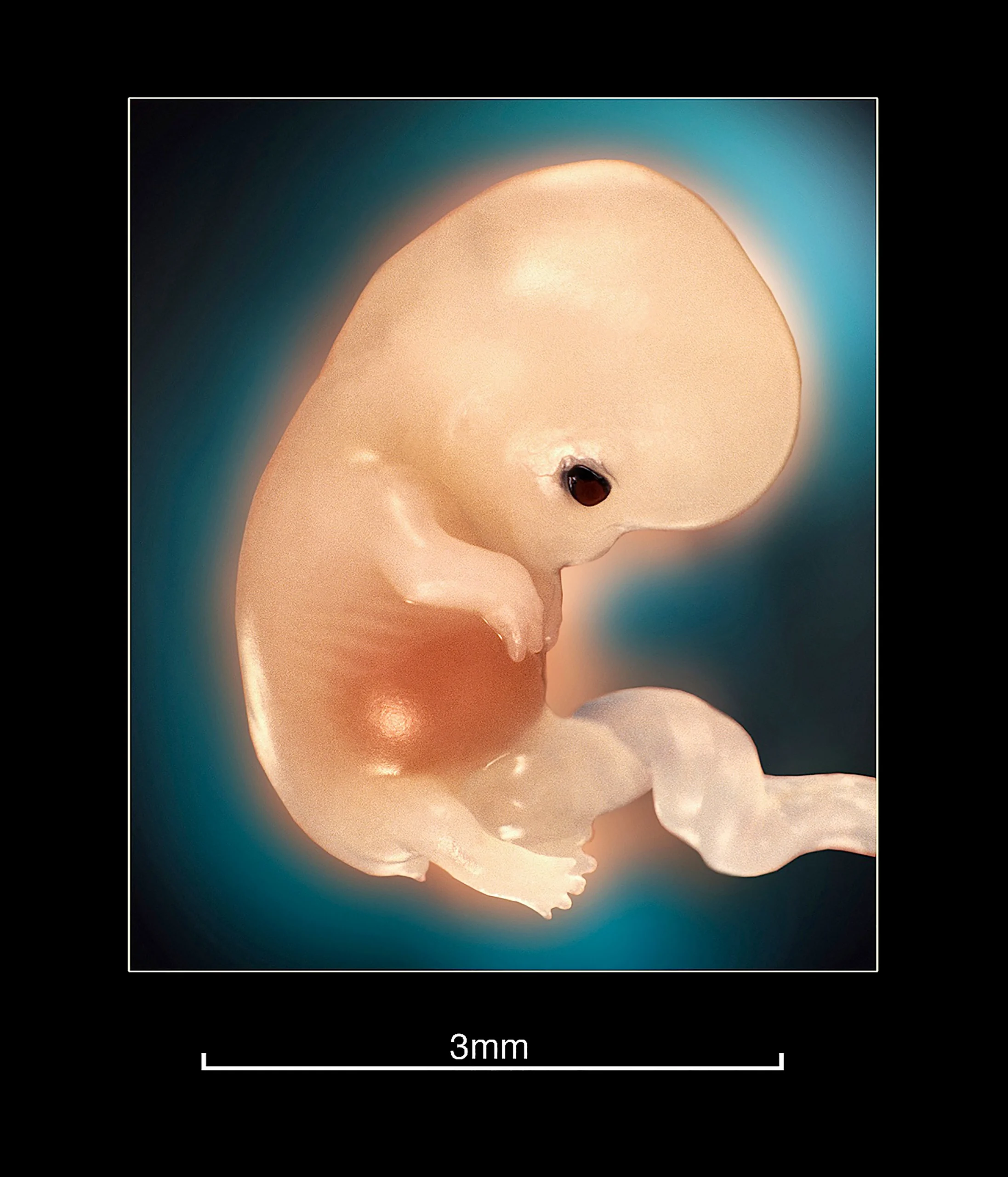
Embryo adoption is not a treatment for infertility, even though the human embryos were created through an IVF procedure (which may or may not have been due to infertility). Embryo adoption is, like child adoption, an act of charity toward a child whose biological family cannot carry or birth them.
One of the most surprising and frustrating responses that I often hear from pro-life Christians and conservatives is that because embryo adoption began as the creation of human embryos in the IVF process—a process that some either think is or can be inherently unethical—then one should not engage in the embryo adoption process either.
It is right to have serious reservations about IVF. The fertility industry operates with little regard for the sanctity of human life, and there are legitimate theological objections to the separation of procreation from the marital act, as well as real health risks to both mother and child in the IVF and embryo adoption process. None of that should be minimized or dismissed.
That being said, there are still millions of precious human lives that need a home and the opportunity to continue their life through the womb of a woman he or she will call mom. In spite of other people’s moral failures or losses that led to this situation of “leftover” human embryos, Christians can take what is evil and use it for good. If we truly believe that life begins at conception, and that these human embryos are therefore human persons at the earliest stage of conception, then we cannot throw the baby out with the bathwater turning a blind eye to the plight of these human embryos.
In a very real sense, gestation does make you a mother and the decision to give human embryos a chance at life through pregnancy, birth, and adoption is a deeply life-affirming and Christ-oriented decision.
Indeed, the human embryo did not choose IVF. We shouldn’t force the embryonic children to pay the price for the decisions that adults made. Likewise, the moral failures of the fertility industry are serious because they involve human life, and this is precisely why those failures cannot become a reason to abandon the human embryos caught in the middle of them.

Counseling Couples Who Are Considering Embryo Adoption
When counseling couples who are considering embryo adoption, it is important to:
-
- Direct them to an embryo adoption agency, not just a fertility clinic,
- Encourage them to adopt within marriage, not merely as a single parent who wants children, since the well-being of children should come first, and
- Speak candidly with them about the worthy risks of embryo adoption
- Like born-child adoption, the child may have identity questions as they grow older that lead to friction within the family;
- There are heightened health risks for the mom and baby from the hormonal drugs used to prepare the body for implantation; and
- Address the emotional risks because the adopted human embryos may perish as they defrost or fail to implant.
- Help them make a plan to explain this process to any children they already have, and prepare to tell the adopted child early in his or her life in age-appropriate ways.
Children told about their origins when they are young respond with curiosity and are more likely to develop secure and warm attachments with their parents. Children who find out when they are older or who discover it accidentally through a consumer DNA test (which is increasingly common and will only become more so) often experience it as betrayal, and the damage to trust can be much harder to overcome.
There is no good pastoral or practical reason to withhold the story. The conversation can begin simply, before the child can fully understand it and grow naturally with them over time. Families who have given birth to adopted children from a different ethnicity have shared how this experience created a beautiful opportunity to share the gospel with others about the power of God’s love and how we are all adopted into God’s family. I’ve also heard stories from children adopted as embryos, such as Hannah Strege the first born adopted human embryo, who share deep gratitude for their adoption, viewing it as a sign of how much God and their parents love them. As in all things, God’s grace is sufficient for us with wisdom and prayer.
Counseling Couples with Remaining Frozen Embryos
For couples who are considering placing their human embryos in adoption, there are two things that must be held in careful balance. First, as their pastor or pastoral counselor, it is very important to understand their story and what led to this. Is it disagreement within marriage? Health problems? Simply feeling like their family is complete? Depending on the reason, especially the first or third option, it is important to gently remind them that these human embryos are their children, and if at all possible, parental responsibility means setting aside one’s wants and expectations to give them a chance at life within your family. If health concerns, age, or disagreement prevent this, then the second and equally important thing to remind them is that the decision to place their child or children in adoption is life-affirming, courageous, and an act of parental love to give their children a chance at life, even if that means in another family.
It is also important to confront inaction or false action. For example, when couples feel overwhelmed or grieved by their leftover embryos, it will lead them to either leave the embryos frozen indefinitely or simply destroy them. Neither of these options is life-affirming because it is taking a human life. This can be hard to hear, but spoken in love, it is the responsibility of the pastor to bring the full truth and grace of God’s word to bear.
Moreover, there are others who promote “compassionate transfer.” This is when a family transfers leftover human embryos at an infertile time in the woman’s cycle. Some present this as a way of technically giving the child a chance at implantation, but this is ultimately done with the expectation that the child will not live. It is not a life-affirming or child-first option.
Embryo adoption, which often comes at great personal cost to the donor family, is a genuinely life-affirming act. It is a parent doing what is best for their child even when it is painful, even when it means releasing them to another family, and even when they must process very real and complicated feelings. As pastors, it is a powerful and grace-filled opportunity to comfort, encourage, and pray for families as they navigate this process.
What the Church Needs to Do
Rather than play an inactive or passive role waiting for families considering embryo adoption to come to church leaders, the church should play an active role in addressing this issue.
First, churches should consider offering adoption funds for born-child and human embryos to help families bear the financial cost. Such funds should require families to work with a licensed agency rather than a fertility clinic alone.
Second, pre-marital and family counseling should include at least a basic treatment of reproductive technology, so that couples considering IVF understand the full weight of what they are entering into before they create embryos. The families sitting with frozen embryos right now are in many cases families who simply were not given this information when it would have mattered most.
Third, pastors should consider what resources, speakers, or training they should offer through their church to help their leaders and families walk through infertility, embryo adoption, and reproductive loss questions with wisdom, knowledge, and understanding.
At the end of the day, the most fitting place for a human embryo is in the womb of the woman that he or she will call mom. As the church, who is born of the adoptive example set by God through Jesus Christ, we should seek to facilitate and encourage life through embryo adoption in our church today. No, adoption is not for everyone, but everyone is called to prayerfully consider, support, and make space for these conversations.
Key Citations and References
Comprehensive Reference List
Citations
- Gerard Letterie, M.D., “In re: the disposition of frozen embryos: 2022,” Fertility and Sterility, Vol. 117, Issue 3, March 2022, Pages 477–480. https://pubmed.ncbi.nlm.nih.gov/35131103/
- Davis v. Davis, 842 S.W.2d 588, 593 (Tenn. 1992), available at https://law.justia.com/cases/tennessee/supreme-court/1992/842-s-w-2d-588-2.html A quote from a French geneticist and expert witness, Dr. Jerome Lejeune.
- Nightlight Christian Adoptions, “What Is Embryo Adoption?” Snowflakes Embryo Adoption Program, accessed 2025, https://nightlight.org/snowflakes-embryo-adoption-donation/what-is-embryo-adoption/.
- Fang L, Jin L, Li E, et al. Journal of Assisted Reproduction and Genetics. 2016;33(10):1389–1393. doi:10.1007/s10815-016-0778-1. Available at: https://pmc.ncbi.nlm.nih.gov/articles/PMC5065555
- Gateshead Health NHS Foundation Trust, “Frozen Embryo Transfer Medication,” accessed 2025, https://www.gatesheadhealth.nhs.uk/resources/frozen-embryo-transfer-medication/.Cristina Vidal, “Preparing Your Uterine Lining for a Successful Frozen Embryo Transfer (FET),” Orchid Health / Stanford Reproductive Endocrinology and Infertility, accessed 2025, https://guides.orchidhealth.com/post/preparing-your-uterine-lining-for-a-successful-frozen-embryo-transfer-fet.
- Trine Holm Dalsgaard, Anne-Mette Hvas, Kirstine Stiller Kirkegaard, Maria Vestergaard Jensen, and Ulla Breth Knudsen, “Impact of Frozen Thawed Embryo Transfer in Hormone Substituted Cycles on Thrombotic Risk Markers,” Thrombosis Research 208 (December 2021): 55–61, https://doi.org/10.1016/j.thromres.2021.11.016.
- Shannon Anderson, Garima Sharma, and Roger S. Blumenthal, “Frozen Embryo Transfer and Risk of Hypertension in Pregnancy,” American College of Cardiology, January 25, 2023, https://www.acc.org/Latest-in-Cardiology/Articles/2023/01/25/13/06/Frozen-Embryo-Transfer-and-Risk-of-Hypertension-in-Pregnancy.
Sylvie Epelboin et al., “Higher Risk of Pre-Eclampsia and Other Vascular Disorders with Artificial Cycle for Frozen-Thawed Embryo Transfer Compared to Ovulatory Cycle or to Fresh Embryo Transfer Following In Vitro Fertilization,” Frontiers in Endocrinology 14 (May 22, 2023), https://doi.org/10.3389/fendo.2023.1182148, https://pmc.ncbi.nlm.nih.gov/articles/PMC10240394/.