Preimplantation Genetic Testing and Whole Genome Sequencing
Biblical Basis
Technical & Medical Basis
Pastoral Application
“Your hands fashioned and made me, . . . Remember that you have made me like clay; and will you return me to the dust?”
—Job 10:8-9 ESV
Understanding Infertility Through Scripture
Biblical Basis
Every human life, from the moment of conception, is a gift.
Of course, the Bible doesn’t directly say this, but there are two ways we can be sure of this: the testimony of the Bible, and the reality of creation and science.
Take for example Job, who reminds us that God himself fashions each of us in the womb:
“Your hands fashioned and made me, . . . Remember that you have made me like clay; and will you return me to the dust?” (Job 10:8-9 ESV).
The psalmist rejoices, “You knitted me together in my mother’s womb . . . Your eyes saw my unformed substance” (Ps. 139:13-16).
Jeremiah was known and consecrated before he drew breath (Jer. 1:5).
The unborn John the Baptist leapt in Elizabeth’s womb when Mary greeted her (Lk. 1:41-44).
There are many, many more Bible verses that point to the humanity and inherent worth of the unborn child whether in the womb or in a petri dish as a human embryo (see: Gen. 1:27; Ps. 139:13–17; Jer. 1:5; Luke 1:41–44). Even in its most vulnerable or broken state, life is holy, precious, and worthy of protection.
Second, science and medicine alike confirm that life begins at the moment of conception when sperm fertilizes an egg, either in a petri dish or in a woman’s womb. At that moment, as the light of a new creation flashes, a complete and distinct human embryo is formed, unlike any person that has or ever will exist. That human person will continue to exist into eternity, even if they are discarded before they can grow more. That human embryo—whether one attributes moral value to it or not—is a genetically complete and distinct member of the human species. As the Carnegie Stages of Human Development shows, the very first step is the creation of a human embryo, not a “potential” person but a complete and living human being at its earliest stage of life¹.
Preimplantation genetic testing (PGT) and/or whole genome sequencing
Technologies such as preimplantation genetic testing (PGT) and/or whole genome sequencing with polygenic risk scores deny the image of God on each human embryo. Indeed, God’s Word gives us no warrant to discard life on the basis of illness, disability, risk, or certain traits. Instead of honoring the inherent worth and dignity of each embryonic human being, such genetic screening technologies rank human embryos based on eugenic standards.
Contrary to this, the Bible consistently calls God’s people to extend unconditional love. Jesus heals lepers and the blind (Matt. 8:3; Jn. 9:1-7), welcoming those whom society casts out. He identifies himself with “the least of these” (Matt. 25:40). James 2 condemns favoritism, whether on the basis of wealth or status, and by extension on the basis of health or genetic “fitness.” Embryo screening is favoritism at its most radical: It privileges the strong over the weak and the “low risk” over the “high risk” before any child has drawn a breath.
To discard or deprioritize an embryo on the basis of genetic markers, then, is not a morally neutral decision. It is a rejection of a living embryonic child who bears God’s image. It treats embryonic life as expendable material rather than a gift given by God. Nowhere in the Bible does God permit us to judge the worthiness of a life on the basis of its health, strength, or future abilities—whether that child is an embryo, unborn baby, toddler, elderly person, or person with certain diseases or chromosomal conditions.
PGT and whole genome sequencing genetically test human embryos in the pursuit of reducing suffering. In reality, such technology just encourages parents to destroy some human embryos to remove their responsibility to care for a child that may develop a given disease, trait, or condition. Likewise, Jesus refutes his disciples’ assumption that congenital blindness was the result of sin, declaring instead that the man’s condition existed “that the works of God might be displayed in him” (Jn. 9:3). Paul testifies that his “thorn in the flesh” was not removed, but that God’s power was made perfect in weakness (2 Cor. 12:9). Human weakness and disability are not evidence of lives less worth living. They are occasions for God’s glory and for the outpouring of grace.
To practice embryonic screening is, in effect, to say that certain stories of God’s glory should never begin, that children with disabilities or genetic risks are better off never being born. Yet this runs counter to the heart of the gospel. Christ came not for the healthy but for the sick (Mk. 2:17). His kingdom embraces the poor, the weak, the broken, and the marginalized. The church, likewise, is called to embody this radical love.
The Biblical call to unconditional love within family relationships also bears directly on this issue. Parents are called to receive children as gifts from God, not to curate them according to personal preference or statistical advantage.
The love of a father for his prodigal son (Lk. 15:11-32) or of God for Israel (Hos. 11) is not contingent on performance, health, or perfection. Rather, it is covenantal, steadfast, and unconditional. By contrast, embryo screening makes parental love conditional and makes it dependent on risk scores, probabilities, and genetic desirability.
Of course, in many cases, parents are not driven by an overt desire to eugenically rank or select the “best” embryonic children. They may be, like many parents, wrestling with the potential of passing down a heritable disease or having a child with higher risk for chromosomal problems due to maternal age.
Since sin entered the world in Genesis 3, parents are propelled by a desire to protect their children from the natural risks that can come with pregnancy, labor, and delivery. In Genesis 3:16, for example, God tells Eve that he “will surely multiply your pain in childbearing; in pain you shall bring forth children.” Here, the Hebrew word for pain does not merely refer to the physical pain of labor, but to a deeper fear and futility that will accompany each aspect of procreation². This “pain” according to Strong’s definition of the Hebrew refers to labor, sorrow, and idols—not merely physical pain during labor, in short, but to the emotional, mental, and physical pain that can accompany infertility and miscarriage, a complete lack of desire to have children, or a sense of anxiety and fear about the well-being of the child: Will he be healthy? Will she have physical disabilities? How can I care for my other children if one of my children has severe needs?
These are not questions to gloss over lightly. They are some of the most painful and difficult for parents to navigate. Yet, this is where God’s unconditional love, provision, and glory shine through us. Embryonic genetic screening offers a form of false compassion that promises to spare children and their parents from the vulnerability inherent in childbearing. Yet it cannot deliver. It can only encourage parents to outright destroy those human embryos in fear rather than trust God with the child he has given them.
Finally, the Bible warns against the perennial temptation to play God. At Babel, humanity sought to ascend to heaven and control its own destiny through technology and ambition (Gen. 11:1-9). Embryonic genetic screening represents a modern Babel—our attempt to eliminate suffering, not by compassion or treatments that heal but by excluding those who might suffer.
In light of the Bible, then, embryonic genetic screening cannot be reconciled with God’s revealed will. It denies the dignity of embryonic life, replaces unconditional love with consumer choice, and subverts God’s purposes in suffering. The biblical witness is clear: From conception, each life is sacred and worthy of life. To discard or disfavor an embryo because of disease or risk is to deny the image of God in the smallest and weakest among us.

To discard or disfavor an embryo because of disease or risk is to deny the image of God in the smallest and weakest among us.
Technical & Medical Basis
Genetic Testing from a medical and technical perspective
Preimplantation genetic testing (PGT) refers to the practice of testing human embryos created through in vitro fertilization (IVF) for genetic abnormalities or risk factors prior to implantation. This is done by removing a few cells from an early human embryo to test them in a lab.
The most common methods include preimplantation genetic testing (PGT) and whole-genome sequencing (WGS) with polygenic risk scores (PRS). By sequencing embryos created in vitro, parents are told they can avoid devastating genetic conditions, reduce risks of common diseases, and give their children the “best chance” at life. Though marketed as cutting-edge medicine, these technologies do not treat or cure disease. They simply rank human embryos based on health, sex, looks, personality, and IQ so that parents can select which human embryos they want to implant—and which ones they will discard or indefinitely freeze.
Preimplantation Genetic Testing (PGT)
PGT has several forms:
-
-
- PGT-A (for aneuploidy): Screens embryos for chromosomal abnormalities, identifying those thought to have the correct number of chromosomes (euploid) and those with extra or missing chromosomes (aneuploid) such as Down syndrome.
- PGT-M (for monogenic disorders): Targets single-gene diseases such as cystic fibrosis or Tay-Sachs by analyzing DNA from biopsied embryonic cells.
- PGT-P (for polygenic risk): Assesses an embryo’s predicted potential risk of developing complex, multi-gene conditions such as diabetes, heart disease, male-pattern baldness, Alzheimer’s, or mental illness through statistical modeling.
-
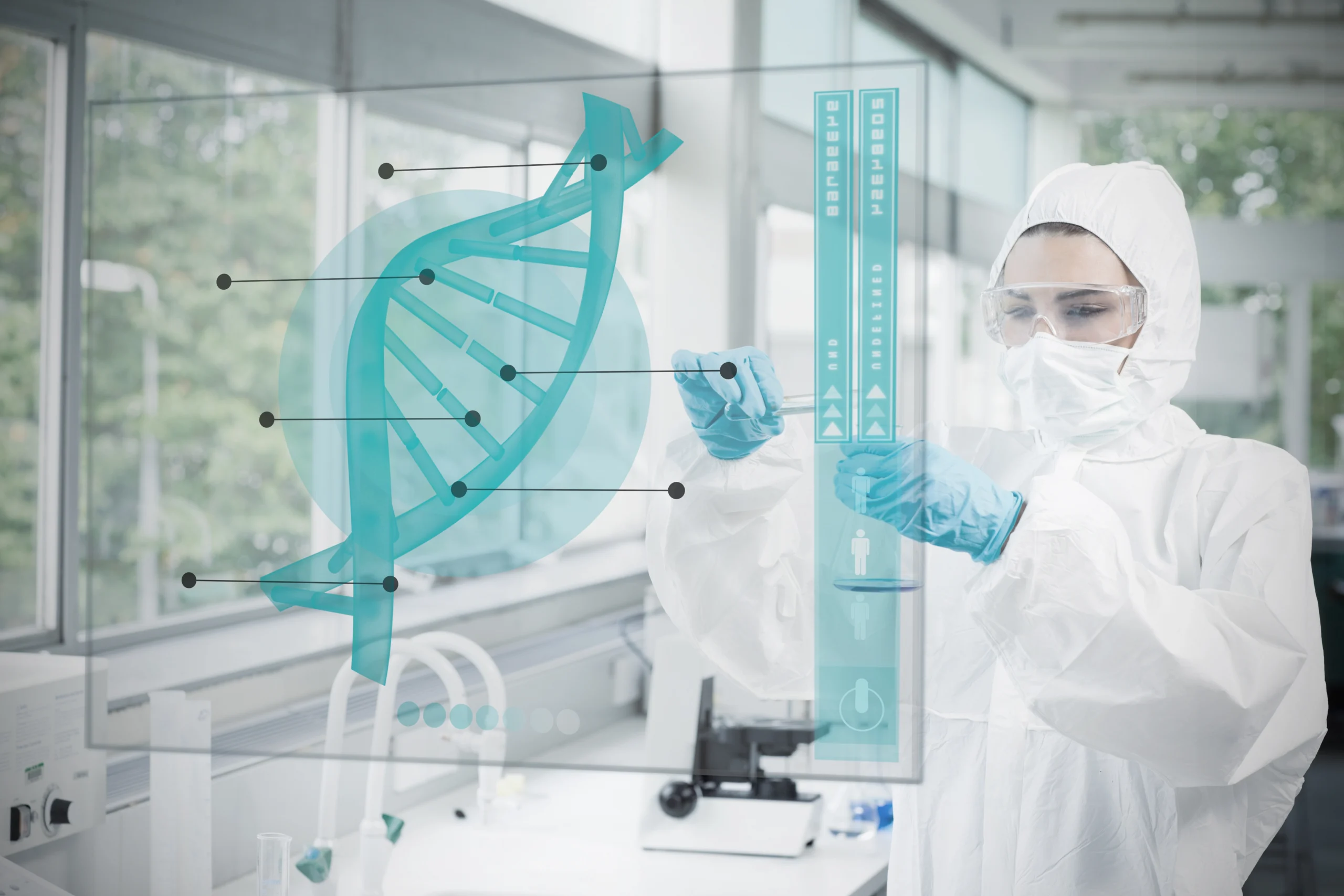
To test the human embryo, fertility doctors biopsy (or remove) a few cells from the outer lining of the human embryo and test them. With whole genome sequencing, doctors multiply the genetic data to try and increase their sample size and thus increase the accuracy of their results.

Evidence of Inaccuracy and Harm
A robust body of studies challenge the accuracy and clinical utility of PGT, especially PGT-A. Research has repeatedly shown that embryos labeled “abnormal” are often normal upon retesting, owing to mosaicism (the presence of both normal and abnormal cells within the same embryo).
33% of embryos labeled incorrectly
A 2016 reanalysis found that 33 percent of embryos labeled abnormal were actually normal on retesting.
55% false positives
Gleicher et al. (2016) found that only two of eleven embryos previously deemed abnormal were confirmed as such in follow-up testing, with nearly 55 percent false positives.
Lack of Evidence
Multiple meta-analyses (Mastenbroek et al., 2011; Twisk et al., 2008) concluded that PGT-A does not improve live birth rates and may even reduce them, especially in older women.
Cells can self-correct
A 2020 mouse study showed that embryos can self-correct, eliminating abnormal cells before implantation (Singla et al., 2020). If embryos possess this natural capacity, then discarding them based on an early biopsy is not only destructive but unnecessary.
These findings undermine the central claim that PGT improves IVF success. Instead, viable embryos are frequently discarded based on flawed testing
PGT-P, Whole-Genome Sequencing, and Embryo “Scorecards”
PGT-P is even more speculative than PGT-A and PGT-M. By generating “polygenic risk scores,” it attempts to predict the likelihood of a given human embryo developing complex diseases later in life that depend on multiple genes and environmental factors. By aggregating genetic markers, it produces a polygenic risk score for diseases and traits such as heart disease, diabetes, schizophrenia, male-pattern baldness, or Alzheimer’s. Some Silicon Valley companies are even using this technology for IQ and personality trait selection³.
A 2022 review in Human Reproduction concluded that PGT-P is “not ready for prime time,” citing unresolved issues with analytic validity, clinical validity, and clinical utility (Polyakov et al., 2022). The American College of Medical Genetics (2024) warns that PRS lacks proven clinical validity and should not be used in embryo selection. Polygenic scores can easily be confounded by environment, population bias, and incomplete understanding of gene interactions.
In short: PGT-P does not reflect what the child’s actual health outcomes or personality are—just what they might be based on genetic testing. At best, it generates probabilities with wide margins of error. At worst, it encourages parents to discard embryos based on faulty forecasts and a conditional acceptance of a certain kind of child.
New companies, such as Orchid and Nucleus Genomics in Silicon Valley, apply whole genome sequencing to PGT-P. For $2,500 per embryo, parents receive a report card of 1,200 to 2,000 potential monogenic and polygenic diseases and conditions, including the predicted likelihood that a human embryo will develop cancers, heart disease, neurodevelopmental disorders, or a certain IQ or personality trait.
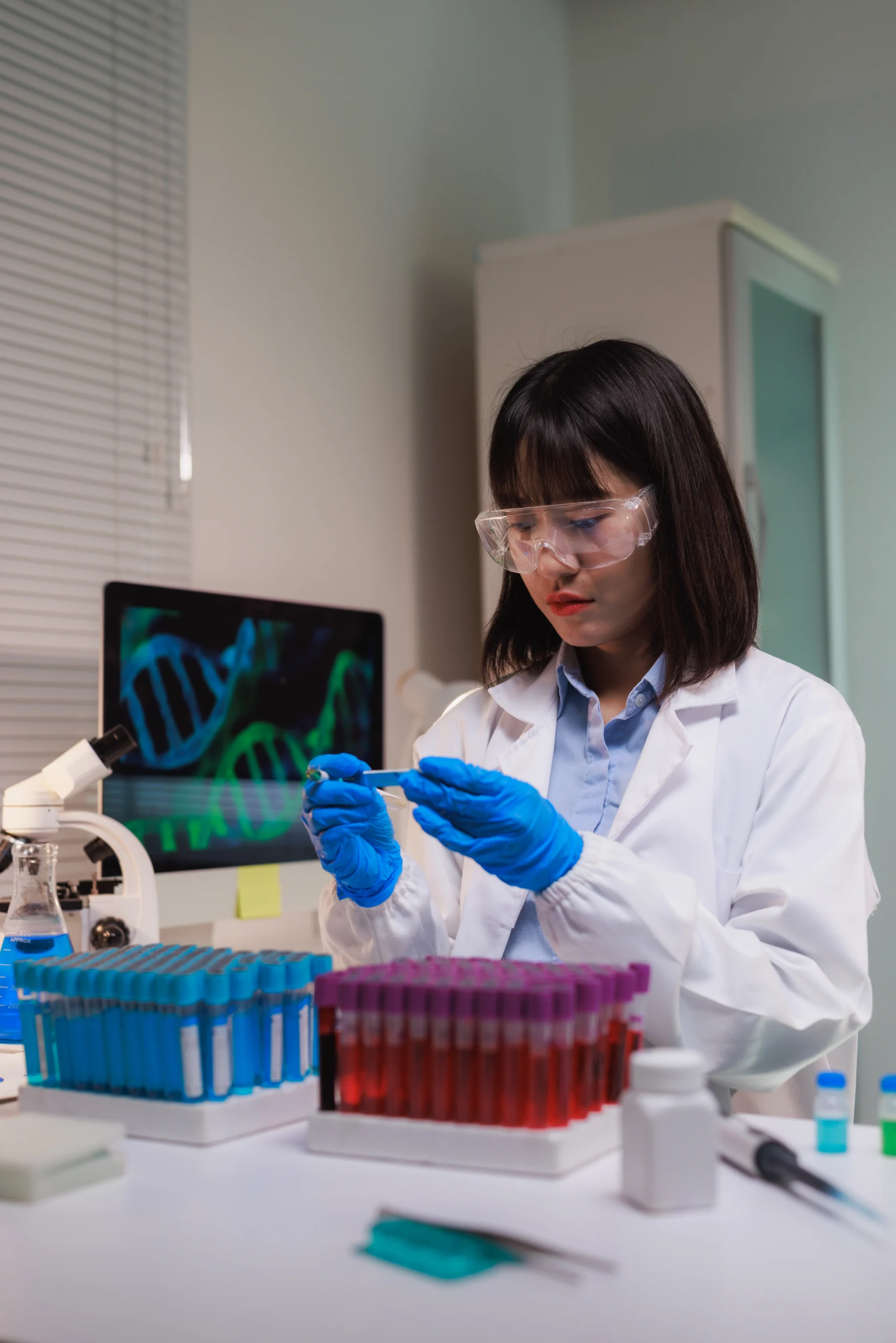

The appeal is obvious. Who would not want to know as much as possible about their future child? Yet the problems of PGT-A, PGT-M, and PGT-P converge here. Whole-genome sequencing produces an overwhelming amount of information with big questions about its accuracy. Worse, such reports invite comparison and ranking, subtly steering parents toward discarding embryos deemed “high risk.”
While presented as empowering, it reinforces genetic determinism where one treats DNA as destiny. Most complex conditions, from diabetes to Alzheimer’s, have a genetic contribution of 5 to 10 percent at most. This means that even if one selected their child based on the lowest risk score, it is no guarantee they will not go on to develop any number of diseases or conditions based on their environment, lifestyle, and other health decisions.
At the end of the day, even if these tests were 100 percent accurate and reliable, they would still reduce a human embryo down to a eugenic set of conditions where the human life is valued only if it is the right kind of smart, healthy, or attractive.

Pastoral Application


For pastors, counselors, and lay leaders, the rise of embryonic genetic screening demands both clarity and compassion. Couples considering IVF and PGT are often motivated by real fears: illness, fear of genetic disease, or grief over a past miscarriage motivating them to choose the “healthiest” human embryo. The first step of grace-filled pastoral guidance is to acknowledge these fears and walk with couples to bring them directly to the cross of Christ and God’s Word.
In no uncertain terms, making decisions about whether to destroy or indefinitely freeze human embryos with embryonic genetic screening is incompatible with Christian faithfulness. It encourages the destruction of human embryonic life, an emphasis on optimizing health over unconditional love, and the normalization of eugenics. However much it is dressed in the language of “choice” and “care,” it is, at its core, the practice of discarding the weak for the sake of the living.
The church must be an unwavering voice against embryo screening by exposing its harms. This requires courage, for the practice is increasingly framed as compassionate, progressive, and even inevitable. Contrary to this, the Bible commands us to defend the fatherless and protect the vulnerable (Ps. 82:3; Prov. 31:8). This also means embodying our care for the unborn and vulnerable long after they are born by offering support and crafting a culture where children with disabilities and their families are welcome.
Above all, this is an opportunity for the church to embody unconditional love. In a world where embryos are ranked and discarded, Christians may send a powerful message that every life is precious in God’s sight.
Indeed, as Jesus teaches in Matthew 19:14 and Matthew 25:40, as Christians we are to welcome unborn and born children alike with open arms regardless of any potential or confirmed medical conditions or diseases. Moreover, the way we welcome the “least of these” into our life directly reflects the degree to which we welcome Jesus Christ Himself.
As pastors and lay counselors, it is important to meet people where they are, especially if they are navigating a very real fear of passing down a genetic condition or wrestling with the uncertainty of ‘what if my child isn’t healthy’ that is natural in IVF and pregnancy. To genetically screen a human embryo requires the use of IVF to begin with, something that should itself be warily considered [link to IVF section of the website], and certainly not done for the purpose of deciding which human embryos are chosen, and which ones are not. This is where leaders must help their congregants process their fears and challenge them to trust the Lord with their children’s health, or if there is a rare and severe genetic condition they have a high likelihood of passing down, prayerfully consider if biological children are what the Lord is calling them to pursue.
What if we screened our embryos? Now what?
For many couples undergoing IVF, fertility clinics present PGT as part of the package of options available to couples. Indeed, 40 percent of all IVF cycles in the United States rely on this testing in their pursuit of a child. And, given that neither clinics nor state laws consider human embryos persons created in the image of God, such decisions are presented as a compassionate or smart decision on the part of parents, apart from any moral or ethical concerns.
This is where pastors and lay leaders must be prayerfully prepared to make space for families to process their decisions, come face-to-face with the truth of God’s Word, and grieve any decisions that led to the intentional destruction of their children.
With every moral wound, healing begins at the cross. There is no sin so great, no regret so deep, that Christ cannot cover it. Indeed, the Bible is clear: “If we confess our sins, he is faithful and just to forgive us our sins and to cleanse us from all unrighteousness” (1 Jn. 1:9).
Step 1: Confess your sins before God, and a trusted spiritual leader
The first pastoral step is truth telling. Screening embryos is not a neutral act; it is the weighing of human lives. Even if you did not intend harm, acknowledge before God that each embryo tested was a child made in his image. If some were discarded, confess this too. God already knows, yet we cannot move forward without laying it before him.
Step 2: Grieve and seek forgiveness
For couples who realize that some embryos were lost—discarded, donated to research, or never implanted—there is real grief. Those children were known to God. Lament is right and good. Pastors might consider offering a service of remembrance or private prayer: thanking God for each life, committing their memory to him, and asking his forgiveness for choices made in fear or ignorance. This is not to heap guilt but to allow grace to cover what cannot be undone.
Step 3: Repent and follow God’s will if you have frozen embryos
Sometimes screening leaves behind embryos in storage: some labeled “normal,” others “abnormal” or “mosaic.” Each is a human life. The next right thing is to honor them. If possible, consider:
- Implanting remaining embryos yourselves, if medically possible and appropriate.
- Working with an embryo adoption ministry if you cannot carry them, entrusting them to another family committed to life.
Ultimately, the most fitting place for a human embryo is within the womb of a woman that he or she will call “mom.” As Christians, we must extend that grace to frozen embryos that may be leftover or frozen indefinitely.
Above all, the church must embody unconditional love. In a world that ranks embryos by risk and worth, the people of God must testify that every life, however fragile or impaired, is precious in his sight.
“Non-Viable” Human Embryos
When doctors use the phrase “non-viable human embryo” it can sound clinical and settled, as if the human embryo has already perished or is about to. The reality is far more complicated. When doctors use the phrase “non-viable” they often encourage parents to go ahead and destroy the human embryo—that is very much still alive—due to the doctor’s assessment that:
-
- The human embryo may have lower success rates implanting in IVF,
- The human embryo may have a genetic condition such as Down syndrome, or
- The human embryo may be slowly progressing, such that it is more likely to naturally perish on its own.
It is important for families, and their pastors, to be clear on this point lest they look back and realize they intentionally destroyed living human embryos based on a misleading recommendation from a fertility clinic.


Core Problem: Not Medicine, but Selection
What unites all forms of embryonic genetic screening is a common flaw: they do not heal. Unlike cancer screening, which enables early treatment for the patient, embryo screening prevents disease by eliminating the patient.
Moreover, the rise of embryo screening threatens to stifle genuine medical progress. Why invest in therapies for cystic fibrosis, blindness, or Alzheimer’s if parents can simply discard embryos with those risks? Orchid founder Noor Siddiqui, an embryo screening company that tests for over 1200 possible conditions, herself admits that rare diseases attract little funding because patient populations are small. Her model accepts this as inevitable, offering selection instead of a cure or treatment.
Closing Thoughts
It can feel daunting to speak into these most intimate decisions and fears in a couple’s life, yet as Christians who believe in the supremacy of God’s Word and the inherent worth and dignity of each human embryo from the moment of conception onwards, this is an area that churches, pastors, and lay leaders cannot afford to overlook.