Hastening Death
Biblical Basis
Technical & Medical Basis
Pastoral Application
It is not without significance that in no passage of the holy canonical books there can be found either divine precept or permission to take away our own life, whether for the sake of entering on the enjoyment of immortality, or of shunning, or ridding ourselves of anything whatever. Nay, the law, rightly interpreted, even prohibits suicide, where it says, “Thou shalt not kill.” . . . But this we affirm, this we maintain, this we in every way pronounce to be right, that no man ought to inflict on himself voluntary death, for this is to escape the ills of time by plunging into those of eternity.
—St. Augustine, City of God 1.20, 26
Understanding Death Through Scripture
Biblical Basis
Today, the temptation to “hasten death” through physician assisted suicide, euthanasia, or other means of ending life prematurely has gained popularity in our culture and, sadly, even in parts of the Church. The alternative to hastening death is the way of the Good Samaritan: costly, personal, sacrificial love. It means affirming that no life is ever “not worth living” because Christ died for each one.
To those facing terminal illness or profound suffering, the Church must convey: You are not alone. Your life has meaning. Your suffering can be united to Christ’s and can bear fruit for the Kingdom. We will walk with you to the end—comforting, praying, and trusting in the mercy of God who numbers every hair on your head.
The value of life is most obvious in the face of death. From Genesis through Revelation, the Scriptures declare that God intends human beings to live their lives knowing they are made in His image and are called to bring honor and glory to Him. But when death becomes the focus of a person, they have lost sight of God and his word that affirms all life is sacred.
While the word suicide is not found in the Holy Scriptures, there are a number of stories in the Old and New Testament of men who intentionally caused their own death.
Judas' Death (Matthew 27:3-5)
“When Judas, who had betrayed him, saw that Jesus was condemned, he was seized with remorse and returned the thirty pieces of silver to the chief priests and the elders. ‘I have sinned,’ he said, ‘for I have betrayed innocent blood.’ ‘What is that to us?’ they replied. ‘That’s your responsibility.’ So Judas threw the money into the temple and left. Then he went away and hanged himself” (NIV).
King Saul (1 Sam. 31:4-6)
“Saul said to his armor-bearer, ‘Draw your sword and run me through, or these uncircumcised fellows will come and run me through and abuse me.’ But his armor-bearer was terrified and would not do it; so Saul took his own sword and fell on it. When the armor-bearer saw that Saul was dead, he too fell on his sword and died with him. So Saul and his three sons and his armor-bearer and all his men died together that same day.”
Ahithophel (2 Sam. 17:23) and Zimri (1 Ki. 16:18)
Men who killed themselves because they would have been found guilty of conspiracy to kill other kings.
Abimelek (Judges 9:53-55)
The best example of assisted suicide that is found in the Bible is the story of Abimelek. Abimelek had been mortally wounded by a woman who had dropped an upper milestone on his head and cracked his skull. Because he was embarrassed that the injury was caused by a woman, his pride drove him to ask his servant to help him die. The servant honored his request, running his sword through Abimelek and killing him.
What leads a person to seek their own death? A sense of hopelessness? When there is no perceived hope, when there is no glimmer of redemption or solution for suffering, the mind can fixate on death instead of life, and suicide can seem like an appropriate answer. And once the idea of suicide takes root in the heart of a person, satan becomes their shepherd instead of Jesus (Matt. 10:28). “The mind governed by the flesh is death, but the mind governed by the Spirit is life and peace” (Rom. 8:6).
Suffering and hopelessness can greatly impact a person’s ability to think rationally about life and death. But regardless of what causes us to suffer, God can use it to draw us nearer to Him, deepening our dependence and trust in Him.
Wanting to die in the midst of suffering is understandable, however, acting on the desire to actually achieve death is not. It is more a cry for help and relief from whatever is burdening an individual. Moses in Numbers 11:15 is overwhelmed with the responsibility of the Israelites, and he asks God to put him to death rather than carry the people’s burdens. Instead of death, God provides help for Moses because he had forgotten that it was actually God who was bearing the burden for the people – the problem was that Moses wasn’t fully casting himself and all the people upon God.
Does the Sixth Commandment “Thou shall not murder.” apply to the concept of hastening our own death, murdering ourselves? Interestingly, the Hebrew verb for ‘murder’ refers to a premeditated and intentional act of ending life. And Scripture reminds us that only God knows the number of our days and when they should end. (Ps.90:10)
A good death is a natural death, and believers are urged to approach death recognizing that we are called to live and die “in Christ” (1 Cor. 15:20-23). As followers of Jesus Christ, we trust that through his death and resurrection we will be welcomed into eternity, where there is fullness of joy and eternal pleasures (Ps. 16:11) forevermore.
Christians are called to surrender our lives, knowing they belong to the Lord; therefore, it is always wrong to hasten our death.

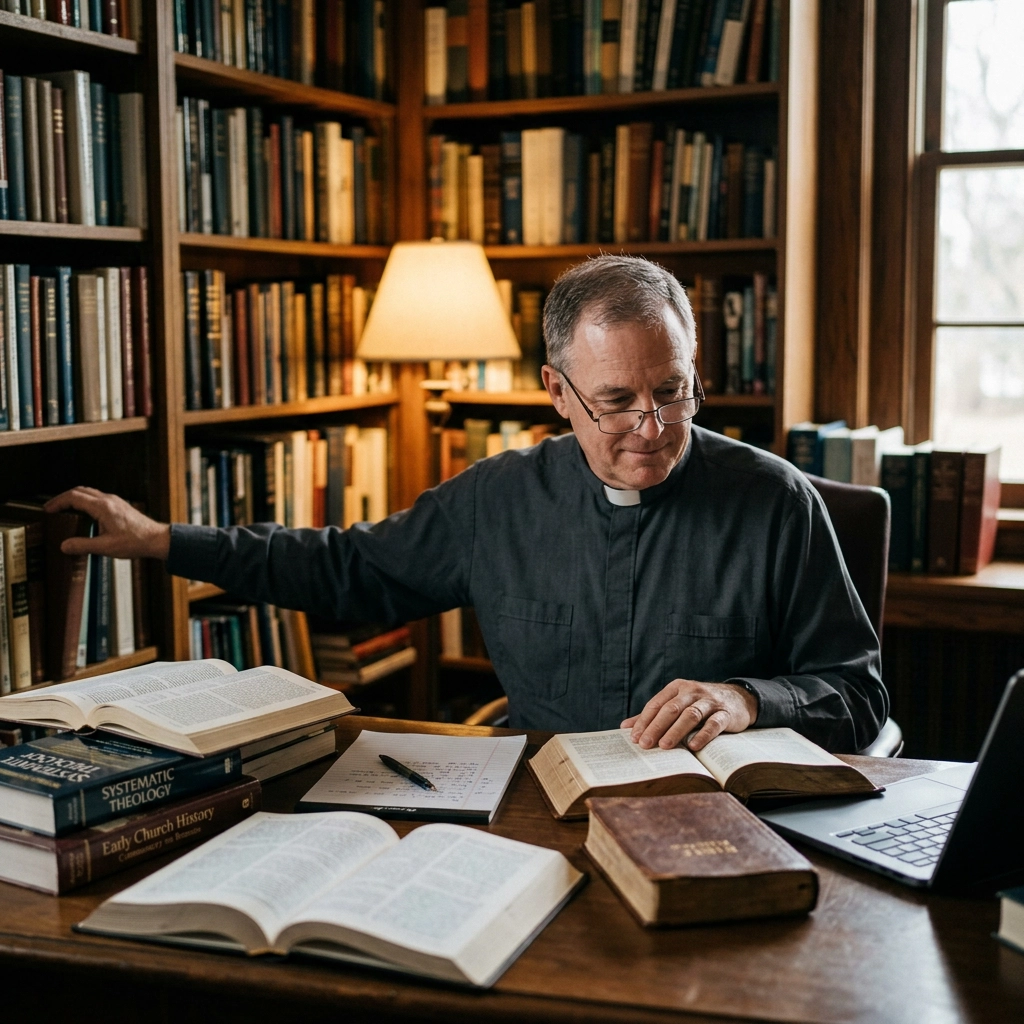
“The mind governed by the flesh is death, but the mind governed by the Spirit is life and peace.”
-Rom. 8:6
Technical & Medical Basis
Death from a medical and technical perspective
While the secular world seeks to portray the hastening of death as exercising an individual’s free will, the church must stand firm in our witness to honor life until natural death, as Scripture teaches. Any interference with this natural process usurps the role of God, disrupts his perfect will and violates the dignity of life. God is the creator of every life, and regardless of the physical, spiritual, or emotionally pain and suffering one endures, we must trust that only God knows when death should occur for each of us.
Suicide, physician assisted suicide, and euthanasia describe actions that intentionally cause death, and while we discuss them in theory, we must recognize that when acted on there are no do-overs or changes of heart. Once death occurs, it is permanent and final, which is why it was illegal and considered by most people as morally reprehensible prior to the 21st century.
Additional Resources
- Patient Rights Action Fund
- ChoiceIllusion.org
- AgingWithDignity.org (Catholic)
- Movie: Fatal Flaws: Legalizing Assisted Death is a 2018 documentary directed by and starring Kevin Dunn. The film examines the controversial topic of euthanasia and assisted suicide laws. It asks a core question: Should doctors have the right to end the lives of others through assisted dying? It explores the long-term societal consequences of these laws by traveling through Europe and North America.
Definitions
Recognizing that the Hebrew verb for murder is described as a premeditated and intentional act, please note the similar use of these words in the definitions outlined.
Suicide
Suicide is the intentional act of ending one’s own life. It involves a deliberate decision and action by an individual to cause his or her own death, often driven by factors such as mental health conditions, substance use disorders, chronic illness and pain, stressful life events and losses, trauma and adverse childhood experiences, social isolation, hopelessness, or lack of support, and family history.
Physician assisted suicide
Physician assisted suicide occurs when a patient self-administers a lethal dose of medicine that has been prescribed with the intention of causing death.
Euthanasia
Euthanasia occurs when the patient requests a lethal drug from a doctor to intentionally cause death.
Involuntary Euthanasia
Involuntary euthanasia happens when a healthcare provider gives the lethal injection without the patient requesting it.
Passive euthanasia
Passive euthanasia occurs when treatment is withheld or removed with the intention of hastening death. (If you have had to make decisions about provision of care for a loved one at the end of life, passive euthanasia may have happened unintentionally. Please remember that the Lord knows your intention was to help them, not hasten their death.)
Because the words suicide, assisted suicide, and euthanasia have negative connotations, those who support hastening death have sought to re-brand them as medical aid in dying (MAiD), but they employ the same means to achieve death intentionally. Employing medicalized terms like MAiD or aid in dying allows our mind to block out the reality of the action behind the words. Using these terms with patients and their families when they are facing a healthcare crisis is not only misleading but also undermines informed consent laws and honesty in patient-doctor relationships. Intentionally ending a life should never be considered medical treatment.
Suicide vs. MAiD vs. Right to Die
Proponents of physician assisted suicide and euthanasia (including MAiD and Aid in Dying) see suicide as separate and very different from what their organizations promote. Our American culture has treated suicide as being wrong due to its’ association with despair, mental health, and the grief it causes others. Legislators, by contrast, see value in legalizing intentional death due to its’ focus on autonomy, relief of suffering, reducing strain on the medical systems and Medicare, while saving tax dollars. Actually, there is no distinction between suicide and all other means to hasten death, because regardless of what you call it, it is always wrong to end a life intentionally.
The right to die is a broader philosophical concept that implies freedom in making healthcare decisions that may lead to death, but doesn’t focus on the cause of death. The right to die allows individual autonomy in accepting or rejecting medical treatment. The right to die allows a patient to choose to stop treatment if they feel it is more burdensome than beneficial and prevents anyone from forcing them to continue such interventions. An example of exercising your right to die, would be refusing dialysis recognizing that renal failure will naturally cause death without treatment.

Background
Until the late twentieth century, euthanasia was seen as evil after it was discovered that between 1939–1941 Nazi Germany had systematically killed over 200,000 disabled, mentally ill, and terminally ill individuals under the guise of euthanasia. The Nazis used ‘eugenics thinking’ to kill people with disabilities, calling it a “euthanasia” program. This was not the original idea of the euthanasia movement — it was forced mass murder. Because of this dark history, many people became suspicious of euthanasia, worrying it could slide into eugenics-style thinking (like pressuring certain groups of people to die such as the disabled).
However, the pro-death movement has now grown because the Euthanasia Society of America (founded in 1938, currently named Compassion and Choices) and the World Federation of Right to Die Societies (1980) have taken advantage of heart-breaking stories featuring women like Nancy Cruzan, Terri Schiavo, and Karen Ann Quinlan to increase public support.
Support for physician assisted suicide really grew with the story of Brittany Maynard, who at age 29 was diagnosed with a grade 4 glioblastoma, an aggressive and incurable form of brain cancer, with a prognosis of six months to live. Faced with severe pain, seizures, and loss of autonomy, Maynard rejected treatment, and she and her husband moved from California to Portland, Oregon, so she could request physician assisted suicide that gave her access to a lethal prescription. Maynard said her choice was not suicide but a way to control the timing and manner of her inevitable death. She stated, “I’m not killing myself. Cancer is killing me. I’m choosing to end it a little sooner and in a lot less pain and suffering.” Brittany’s story was featured on the cover of People Magazine.
However, stories that question the practice of euthanasia are often only featured in professional journals. Consider Dr. Ramona Coelho, a member of Ontario’s MAiD Death Review Committee (MDRC). She wrote an article concerning patient Mrs. B that was published by the Macdonald-Laurier Institute on April 7, 2025. Mrs. B was in her eighties and dealing with complications from surgery. She opted for palliative care, and was discharged back to home. She later requested a MAiD assessment, despite wanting palliative care, her husband and caretaker overrode her wishes and called on MAiD to kill her. He was overwhelmed with caregiving, and his wishes were followed, not hers.
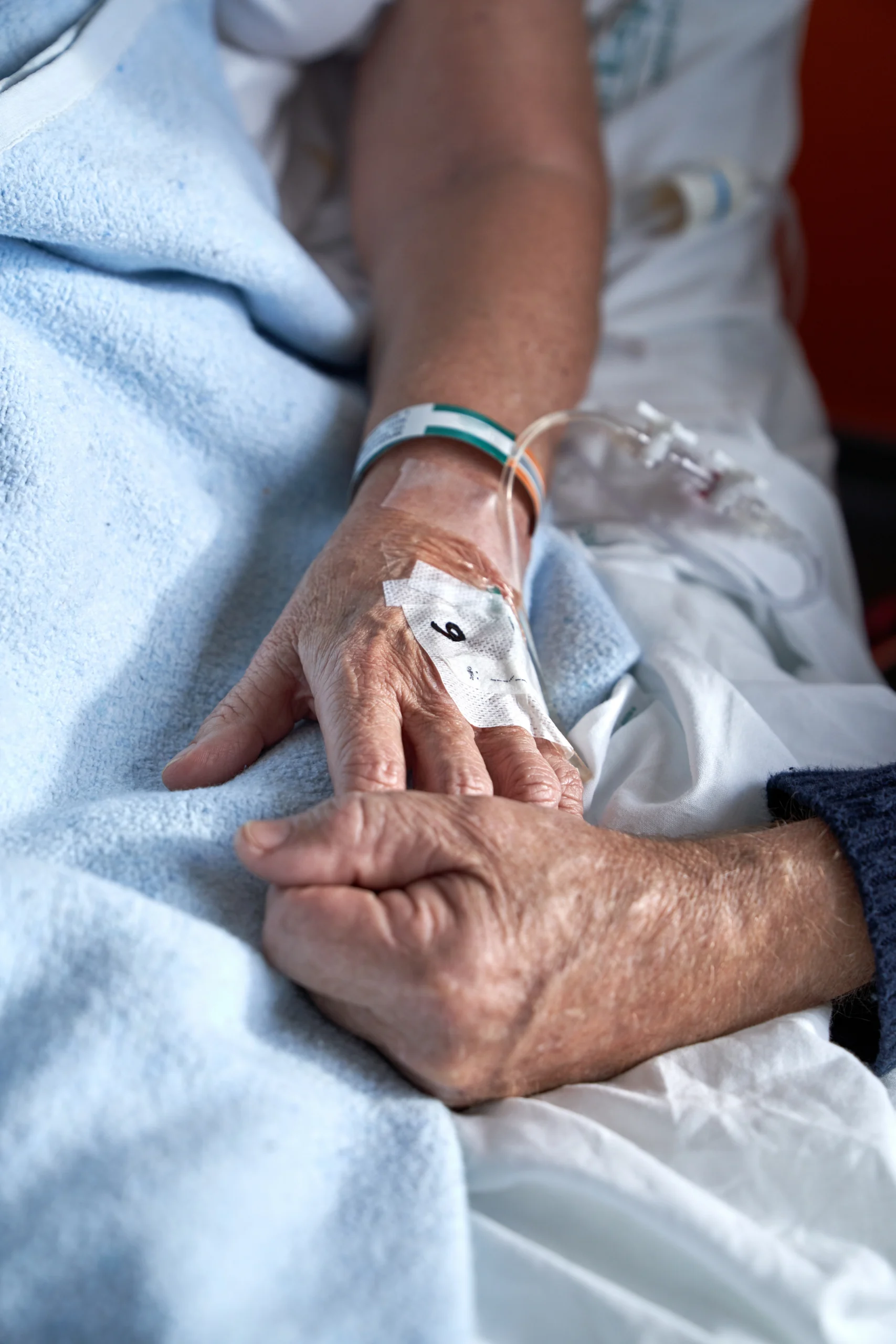
Why Would Someone Hasten Their Death?
In 1997, when Oregon first legalized assisted suicide, it was described as a way to help people who are suffering unbearable pain, but after almost thirty years of deaths, the data reveals that pain isn’t the most common reason people request assisted suicide.¹
Loss of Autonomy and Self-determination
Consistently, this is the top reason people choose assisted suicide across all states and years, reflecting a universal desire for self-determination. Patients seek assisted suicide to maintain control over their lives when terminal illnesses or debilitating conditions limit independence in daily activities, decision-making, or self-care (e.g., mobility, eating, hygiene). For example, patients with amyotrophic lateral sclerosis (ALS) or advanced cancer describe losing the ability to perform basic tasks, prompting a desire to control their end-of-life experience.
Loss of Dignity
Patients fear losing personal dignity due to dependence on others, loss of bodily functions (e.g., incontinence, inability to speak), or diminished self-identity. For example, patients with neurodegenerative diseases (e.g., Alzheimer’s constitute 1 percent of Oregon cases in 2023) or cancer (66 percent of cases in Oregon) cite embarrassment or loss of self-worth.
Loss of Ability to Engage in Enjoyable Activities
This reason is consistently given as justification for hastening death in every state where physician assisted suicide is legal, reflecting the importance of quality of life in patient decisions. For example, a patient with lung cancer unable to garden or socialize due to fatigue and shortness of breath, seeks assisted suicide to avoid further decline.
Inadequate Pain Control or Fear of Future Pain
Pain is less dominant than autonomy or dignity because palliative care mitigates pain for many, but fear of future pain remains a concern. Patients seek assisted suicide to avoid current or anticipated unbearable pain that palliative care cannot fully manage. For example, cancer patients (57–66 percent across states) cite uncontrolled pain or fear of worsening symptoms despite palliative care.
Fear of Being a Burden on Family or Caregivers
Patients worry about the emotional, financial, or physical toll on loved ones due to their care needs. For example, patients with terminal illnesses express guilt over family members’ having to provide caregiving or the financial strain of paying for caregiver services and medical costs.
Intractable Suffering (Physical or Psychological)
This reason is more prominent in states that allow physician assisted suicide for nonterminal conditions (e.g., Vermont post-2023) and in Canada where psychological suffering is explicitly included. Beyond pain, patients experience intolerable symptoms like fatigue, nausea, shortness of breath, or psychological distress from terminal or chronic conditions. For example, COPD patients cite breathlessness; early-stage dementia patients fear cognitive decline.
Desire for Control over Death
This justification for hastening death is universal across jurisdictions, and is increasingly cited as patients seek “death on their terms.” Patients want to choose the time, place, and manner of death to avoid prolonged decline or uncertainty. For example, patients plan assisted suicide to die at home with family, avoiding hospital decline.
While loss of autonomy and dignity, as well as fear of pain, being a burden to family members or caregivers, or intractable suffering can all seem like valid reasons to seek death — they are not. But culturally, we are being reprogrammed to believe that the loss of mobility, independence, and self-determination are so awful that death is preferred.
This assumption is especially damaging to those who are disabled as their daily fight for life is undermined. In a society that prizes physical ability and stigmatizes impairments, it’s no surprise that previously able-bodied people may tend to equate disability with loss of dignity. This reflects the prevalent but insulting societal judgment that people who deal with incontinence and other losses in bodily function are lacking dignity, and people with disabilities are concerned that these psycho-social disability-related factors have become widely accepted as sufficient justification for assisted suicide.
A Deeper Dive into Hastening Death
Legal Status Worldwide
In the 1980s, the Netherlands became the first country to decriminalize euthanasia under strict conditions (formalized in 2002). Doctors could perform euthanasia for terminally ill patients experiencing unbearable suffering, following rigorous protocols. Here is a summary of countries/jurisdictions where some form of euthanasia, assisted suicide, physician-assisted suicide, or medical aid in dying is legal as of 2026. Note that laws vary significantly: some allow active euthanasia (doctor administers lethal medication), others only assisted suicide (patient self-administers), and eligibility often requires terminal illness, unbearable suffering, mental competency, and strict safeguards.
Countries where Voluntary Euthanasia is legal: Belgium, Canada (Medical Assistance in Dying – MAiD), Colombia, Ecuador, Luxembourg, Netherlands, New Zealand, Portugal (law passed; awaiting full regulation/implementation), Spain, Uruguay (law effective April 2026), and Australia (all six states: New South Wales, Queensland, South Australia, Tasmania, Victoria, Western Australia). Some of these countries also permit it for certain non-terminal cases (e.g., unbearable suffering, including psychiatric conditions in places like Belgium and the Netherlands).
Assisted Suicide / Medical Assistance in Dying (often without full active euthanasia): Switzerland (assisted suicide legal since 1942, provided no selfish motive; organizations like Dignitas assist foreigners too), United States (physician-assisted dying legal in 14 states and the District of Columbia.
Passive euthanasia (withholding/withdrawing life-sustaining treatment) is legal or tolerated in many more countries.
In the United States, Oregon passed the Death with Dignity Act in 1994 (effective in 1997), becoming the first state to legalize physician-assisted suicide for terminally ill patients with six months or less to live. Currently, fourteen states and the District of Columbia allow assisted suicide. This map features up-to-date information on legalization efforts in the United States.
Reporting requirements for states and countries are voluntary, so it is hard to know for sure how many people die annually by assisted suicide, euthanasia, or MAiD. Based on data that Anglicans for Life has been tracking since the first Oregon reports were made available, we estimate that 256,944 people have intentionally hastened their death worldwide (almost 16,639 in the US as of June 2026).
Oregon and Vermont originally limited eligibility only to their residents but have since removed the requirement, allowing people to visit their state for the purpose of killing themselves. Both states also changed their waiting period from the time of request for the lethal prescription from fifteen days to seven days and expanded who can provide prescriptions to include physician assistants and nurse practitioners.
In Canada, when MAiD was originally legalized in 2016, it was only for terminally ill patients. Now it is available to patients who have serious and incurable illnesses, diseases, or disabilities, as well as advanced states of irreversible decline or incapability, or those who are enduring intolerable physical or psychological suffering, which cannot be relieved under conditions that patients consider acceptable. Eligibility with co-occurring conditions is possible, so that if a person has a mental illness alongside a grievous and irremediable physical condition (e.g., terminal cancer), they may be eligible for MAiD if they meet all the criteria.
Personal Stories of MAiD, Euthanasia, and Assisted Suicide
- https://alexschadenberg.blogspot.com/2025/06/sign-petition-roger-foley-needs-to-be.html
- https://alexschadenberg.blogspot.com/2025/04/another-canadian-veteran-was-offered.html
- https://alexschadenberg.blogspot.com/2025/04/in-canada-euthanasia-is-sometimes.html
- https://alexschadenberg.blogspot.com/2025/05/coroners-inquest-into-euthanasia-death.html
- https://alexschadenberg.blogspot.com/2025/06/the-callous-cruelty-of-euthanasia-in.html
Additional Concerns about Hastening Death
A critical issue that is rarely discussed is the discrepancy between the number of prescriptions written for patients versus the number filled and the number of patients who died from taking the prescription. For example, in Oregon in 2023, 560 prescriptions were written, and they estimate 392 to 448 prescriptions were filled. But only 367 patients were reported as dying from ingestion, leaving approximately 80 filled prescriptions of deadly pills potentially available for nefarious use. There is no oversight to ensure the patient isn’t given the drugs against their will or that the pills are not given to the wrong person.
Another emerging concern about assisted suicide is the connection between aid in dying and organ donation, particularly in Canada, Belgium, the Netherlands, and Spain, where protocols support patient-driven requests to donate organs post-euthanasia with 286 cases by 2021. In the US, the connection is theoretically possible but rare due to logistical, legal, and ethical barriers.
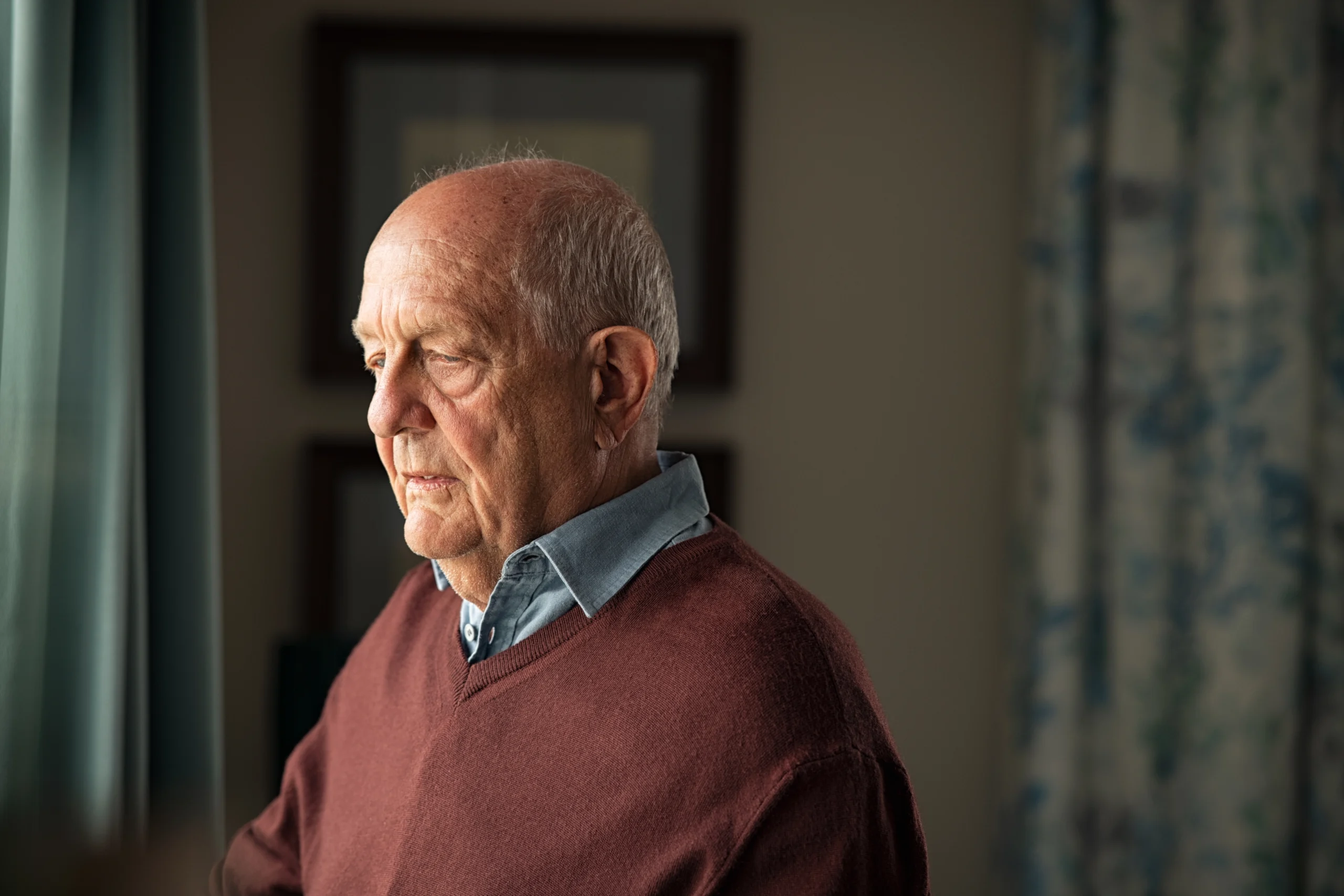
Demographics of people seeking to hasten their death between 1998-2023…
74-76
is the average age of individuals seeking to hasten their death.
96%
of patients seeking to hasten their death are non-hispanic/white individuals.
88-90%
of patients seeking to hasten their death are enrolled in hospice, which offers palliative care for pain but cannot address autonomu or dignity concerns.
57-66%
of patients seeking to hasten their death have a cancer diagnosis. 11% have a neurological disease or ALS, 8% have cardiovascular disease, and 6% have respiratory conditions.
Practical Concerns with Assisted Suicide and Euthanasia
Because of the finality of death, proponents of physician assisted suicide and euthanasia or MAiD should at a minimum employ multiple precautions and a series of checks and balances to ensure that no death occurs accidentally and that people are protected from potential abuse. Sadly, this is not the case and even safeguards that are initially put in place when new legislation is passed are often removed or changed once assisted suicide laws go into effect. Chipping away the safeguards creates a downward slope towards more deaths and fewer protections.
Here are some common practical problems with hastening death:
- In the U.S., where physician assisted suicide is legal, those who are diagnosed with a terminal illness with less than six months to live are eligible to seek assisted suicide, but as any competent doctor will tell you, it is impossible to accurately advise patients as to how many days, weeks, or months they have remaining.
- Another grey area in the euthanasia debate relates to the types of drugs prescribed to end life. There is no regulatory agency overseeing what drugs can be used in the lethal poison cocktails, nor is anyone collecting or publishing data on drug efficacy, mechanisms, and complications. A 2023 report from Oregon states that 74 percent of complication data were missing, and of the available data, 9 percent to 11 percent of patients experienced complications, including vomiting, aspiration, agitation, and seizures. In some cases, patients regained consciousness after ingesting a lethal dose.
- The time from ingesting the lethal medication and death also varies widely — from minutes to hours. Depending on which drugs are used, how they are administered, and the patient’s health all impact the dying process. For some patients, death occurs quickly, while others linger, creating stress for both the patient and their loved ones.
- We have also seen insurance companies deny payment for life-saving treatment in states with assisted suicide, while offering to cover life-ending drugs. This is especially disconcerting for patients facing the challenge of rising health care costs or fearful of being a burden to loved ones, requesting lethal drugs becomes an option and the right to die becomes a duty to die.
- Physician assisted suicide and euthanasia also undermine the patient-doctor relationship. First, doctors are required to list the original medical diagnosis as the cause of death on the death certificate, instead of the actual cause of death… physician assisted suicide or MAiD, Second, while trust is critical in this relationship, how can patients be assured the doctor’s motivation is healing centered versus focused on cost-management? If the doctor raises assisted suicide as an option to other treatments, is the doctor implying the patient’s situation is hopeless?
The irony is that as more people accept the hastening of death, an opposing challenge also exists: the unnatural prolonging of life. Advances in medical technology allow patients to artificially prolong life beyond natural death by using life support systems like ventilators and dialysis. While we appreciate medical innovations and their employment in medical care, we must realize that preventing natural death can lead to other challenges. Therefore, seeking guidance from the Lord about all medical matters is critical in assuring the dignity of every life is honored and death occurs naturally in God’s time.
74% of complication data
was missing in a 2023 report from Oregon.
Those given 6 months or less to live
in the United States are eligible to seek assisted suicide.
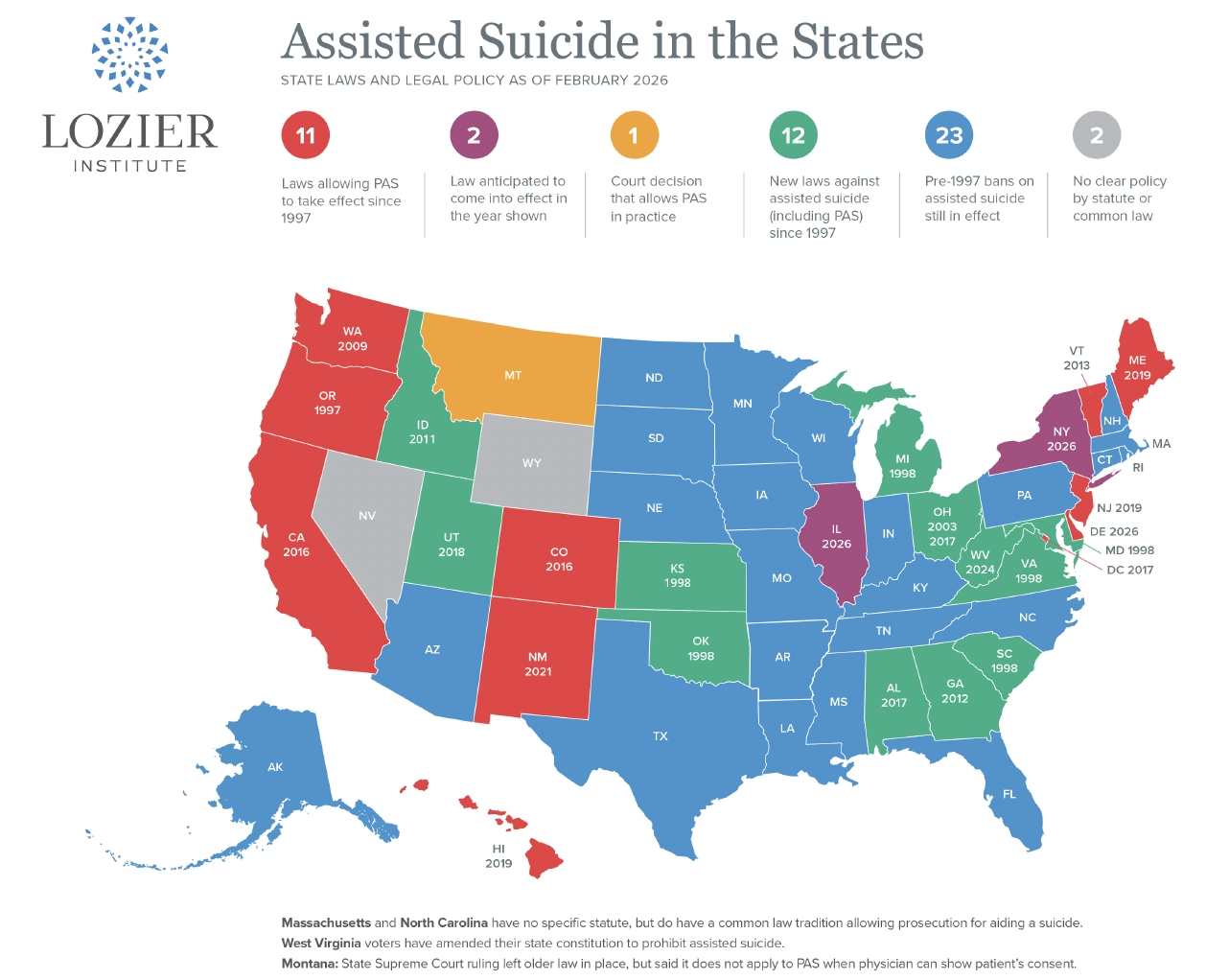
This map shows the status of laws prohibiting or permitting assisted suicide, includingphysician-assisted suicide (PAS) in the United States. Last updated: February 6, 2026.
Pastoral Application

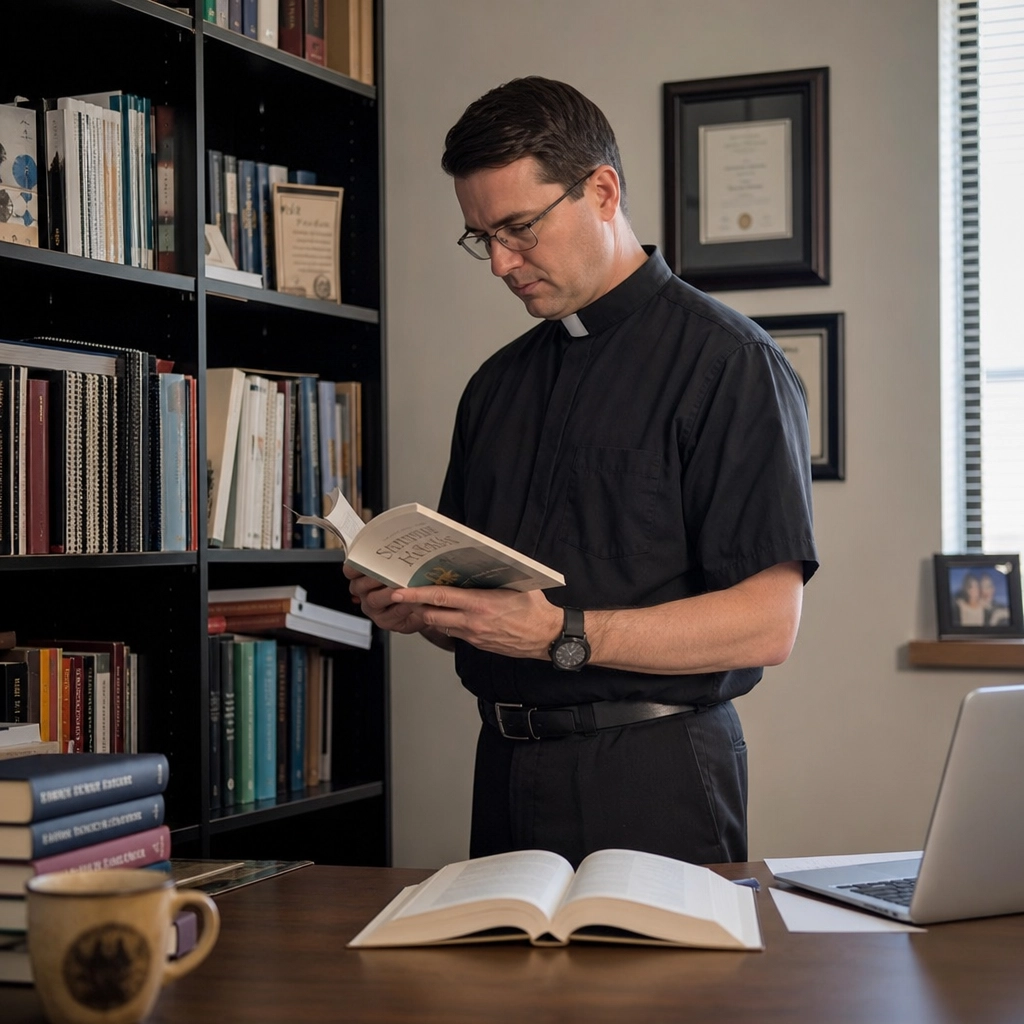
As a shepherd in God’s church, you will be called upon to provide pastoral counsel to those who, for whatever reason, are contemplating their mortality and possible impending death. We must recognize that people now see physician assisted suicide and euthanasia (regardless of what it is called in a specific jurisdiction) as an acceptable way to manage death. Your focus should be on helping the dying person prepare to die naturally, when God calls them home.
While we recognize the fears and uncertainties that can lead people to consider hastening their death, we must uphold biblical principles and teach that only God numbers a person’s days, that each day of life has purpose and value. As shepherds, we are responsible to help people enter into discussions about mortality and fears that surround death. We must help people prepare, so when death comes, God’s peace and presence ushers them into glory.
The church’s response (and yours as an ordained representative) to someone wanting to intentionally die is based on our recognition of common care and concern for one another, as well as biblical teachings. While the world celebrates independence, individualism, and the right to express and choose how we live and die, the reality is that the human experience is made up of relationships, interdependence, and interactions with one another. Therefore, when one seeks to schedule their death, it is incumbent on you as a shepherd to help the hurting sheep. The sheep need to know that a network of people will walk with them through their final season as that is the function of a family, including a church family. The church is uniquely designed to model a level of love, care, and compassion — so no one ever feels alone, invisible, or abandoned to the point of seeking a plan to hasten their death.
When we think about the reasons (noted in the technical section of this article) people give for wanting to die prematurely, they all relate to purpose, suffering, and fear.
- Loss of autonomy
- Loss of dignity
- Inability to engage in enjoyable activities
- Inadequate pain control or fear of pain
- Fear of being a burden
- Intractable suffering
- Desire for control over death
It becomes clear that death is pursued for reasons that can be addressed and, in many ways, solved through changes in expectations, adjustments in what is viewed as acceptable, and access to a supportive group of people.
Shepherding the Dying
In 2021, the Rev. Rick Bergh, an Anglican priest, author, and thanatologist wrote a booklet for Anglicans For Life called Shepherding the Dying. It is a great resource to help you walk alongside anyone who is dying, whether or not they are seeking to hasten their death. Here are some key points to consider when talking with a parishioner who is contemplating death:
- Background: You may or may not know the person to whom you are ministering. Regardless, getting to know this person’s past experience with death and dying both in their family of origin and in their close relationships will help you better understand their current choices. Basically, our past experience informs and influences our present choices.
- Influence of Others: Those who are closest to us greatly affect our decisions. This is especially true at the end of life. It’s important to take notice of which people are closest to the person who is dying. What kind of influence do these individuals have on the person who is dying?
- Stages of Dying: It is helpful to understand the stages of preparing for death. Is dying always linear? No. But patterns are fairly consistent in people’s dying process. A person of faith who is confident in the promises of eternal life and trusts in Jesus seems to be able to move through these stages into acceptance more easily than those who don’t know Jesus. Regardless of where we are in our walk with Jesus, we all look at our mortality a little differently. The stages are denial, anger, bargaining, depression, and acceptance.
- The Forgiveness Factor: We live in a broken world, and our relationships don’t always match our expectations. Often, as people look back on their lives when they’re dying, there are people whom they are thinking of who have hurt them or who they have hurt. Ask the person if there is anyone they need to forgive or seek forgiveness from?
Some people may seek your counsel about assisted suicide or MAiD (depending on jurisdiction) or you may hear about their interest from someone else. An initial conversation should always begin with “curious questions” and not forceful lectures. Remember the three most common reasons for people to want to hasten their death are purpose, suffering, and fear.
Questions to ask:
- I’m curious — what is it about assisted suicide/MAiD that most appeals to you?
- I’m wondering if you know another person who has chosen this option?
- Have you considered whether a decision about assisted suicide could affect your loved ones, and your legacy?
- Who has talked to you about the details of assisted suicide/MAiD?
- How is your family responding to this decision?
- Have you been able to have a conversation with God about this?
- Have you considered the final message that you would like to leave with your family
When you enter into these conversations, remember there is a bigger story that needs to be considered—each person has a testimony of God’s love and faithfulness to them. That should be the most important legacy they want to leave behind. Every believer’s ultimate prayer is that the next generation of loved ones will know the joy of eternal life with Jesus. Ask: what is the message you most want to share with your family and friends in this final chapter of your life? This can help them appreciate the impact this decision will have on future generations of their family.
Physician assisted suicide and euthanasia require involvement from the doctor, the patient, possibly a caregiver, and often the family, but have they considered how those who stood in support of an intentional death reconcile their role in the years to come? Every action has a reaction; every choice has a consequence. Will intentional death be an ongoing source of grief and guilt for those left behind?
Your Role
The office of priest brings with it a specific calling and responsibility. Priests bring prayer, Scripture, sacrament, confession, absolution, and anointing. What the priest offers on behalf of their office is not only significant and necessary for the one who is dying, but also for family members who may need to hear the gospel.
So, how should you respond to someone who chooses to say no to life and seeks intentional death?
For ordained Anglican shepherds, if someone chooses to hasten their death, at that point you must excuse yourself and leave. Explain with deep regret that in fact you love this person and this family, and that you long for them to choose life. Share that you understand that this is an excruciatingly difficult decision, but if they choose death in their time not God’s, you cannot stay.
You will also need to discern God’s guidance in providing the Ministry to the Dying liturgy.
You can in no way give the impression that you think assisted suicide is OK. It is not OK. You cannot be present when someone is intentionally killed. Walk down the hall to another room and pray fervently that they would choose natural death in God’s time. These are difficult choices, and we must pray for the love of Christ to constrain us, to give us the eyes that Jesus has. But ultimately, our goal always as pastors of the gospel is to be reconciled to God. He who knew no sin became sin on our behalf, that we might become the righteousness of God. And even at the critical time of nearing death, a person can choose to trust God.
If you are asked to perform the funeral service for a parishioner who has died by physician assisted suicide, euthanasia, or MAiD we recommend consulting your bishop with the specifics of the situation, so they can grant permission or not.

Final Thoughts
Aging and dying can be scary and filled with challenges that show up unexpectedly! When you add disease or a terminal diagnosis, it gets even more overwhelming, making practical issues such as downsizing the home, converting homes for wheelchair use, dealing with incontinence, or giving up driving very discouraging. The more we can help people prepare for this stage of life, the more they will be able to enjoy it.
Anglicans For Life has an eight-week adult education program, Embrace the Journey, that prepares parishioners and their families for aging and dying. We recommend it as a Biblical way to educate and prepare people for death. Two topics in particular are important: the role of the Power of Attorney for Healthcare (POA) and funeral planning. Families will benefit from discussions about both topics before they get into crisis situations.
It is also incumbent upon the office of the priest to preach and teach on the topics of death, heaven, and suffering. Helping people understand the promise of eternal life in heaven not only prepares them for dying, but it also helps them see hints of heaven found as we walk daily with the Lord. And while no one likes suffering, when we understand it in the context of our faith, it has meaning. Ironically, the value of life is most obvious in the face of death.
Paul’s teachings to the Romans in both chapter 5 (verse 3) and 8 (verses 18-39) can be especially helpful in addressing the reality of suffering, a concept that even mature Christians can struggle with when faced with prolonged emotional or physical pain. Not only are we reminded that suffering produces perseverance, character, and hope (chap. 5), but also that when we suffer, we are brought closer to the Lord as we share the experience of suffering as Christ did in suffering and dying on the cross for us. Romans 8:28 reminds us that all things, even suffering can work for good.
Ephraim Radner, emeritus professor of historical theology at Wycliffe College, wrote in a 2016 article titled, Whistling Past the Grave, for First Things, “‘To die well’ is to locate what is good somewhere outside our control—in the God who gives and receives our lives. It is also to allow that alien goodness, the goodness of God’s transcendent superintendence over life and its temporal duration, to inform the very meaning of our vulnerability to illness, suffering, and death.”
In other words, by acknowledging death in our churches, we allow our creator to give meaning to our human limitations. Helping one another finish this life faithfully requires us to acknowledge both the practical and spiritual needs of our elderly friends and family in preparation for a peaceful natural death. Neither staying alive at all costs or hastening death are necessary; instead, trusting God for a natural death in His time is the recommended Biblical principle to embrace.

‘To die well’ is to locate what is good somewhere outside our control—in the God who gives and receives our lives. It is also to allow that alien goodness, the goodness of God’s transcendent superintendence over life and its temporal duration, to inform the very meaning of our vulnerability to illness, suffering, and death.”
-Ephraim Radner
Key Citations and References
Comprehensive Reference List
Citations
- Using the following prompt: When you review all the reports about assisted suicide since it was legalized in the US, what are the reasons people ask for it? Grok AI provided the following summary. These reasons are drawn from patient self-reports, physician assessments, and state health department summaries, primarily from Oregon’s DWDA reports (1998–2023, 4,274 prescriptions, 2,847 deaths), Colorado’s End-of-Life Options Act reports (2016–2023), Washington’s Death with Dignity Act reports (2009–2023), and Vermont’s Patient Choice and Control at End of Life Act reports (2013–2023). They are consistent across jurisdictions and years with slight variations in prevalence due to reporting differences.